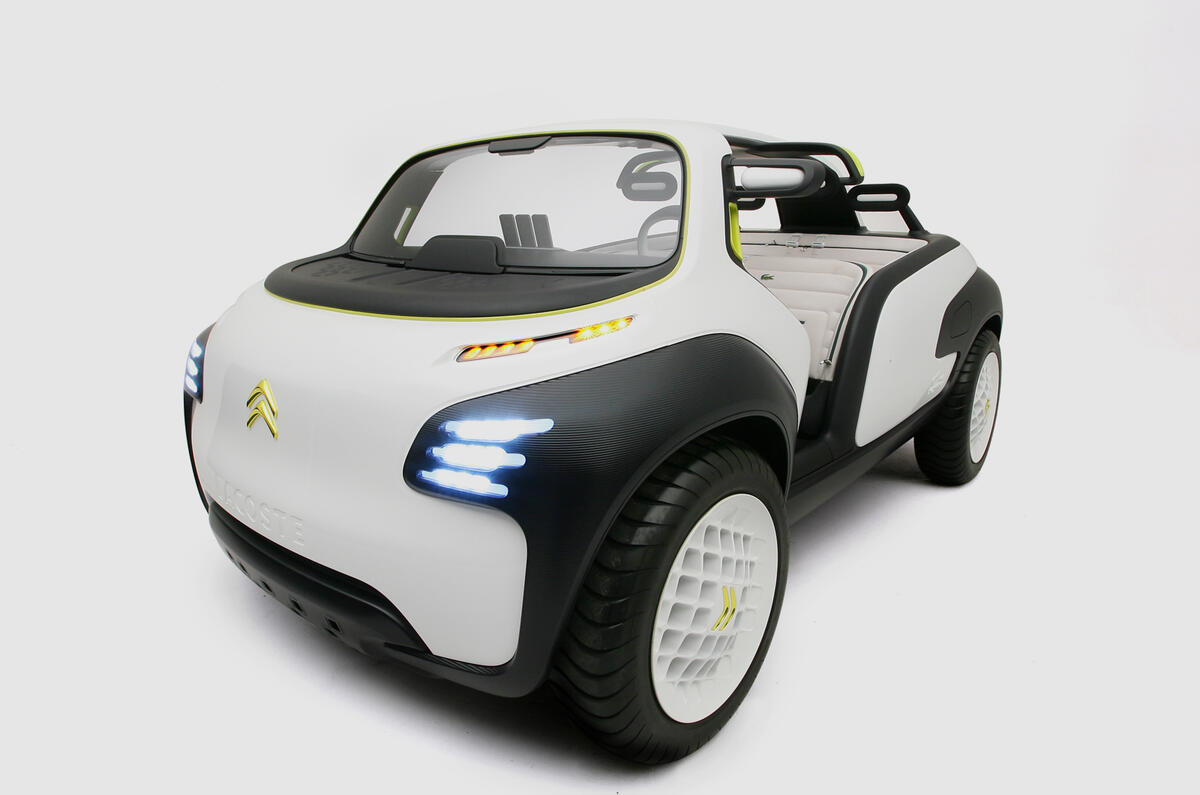
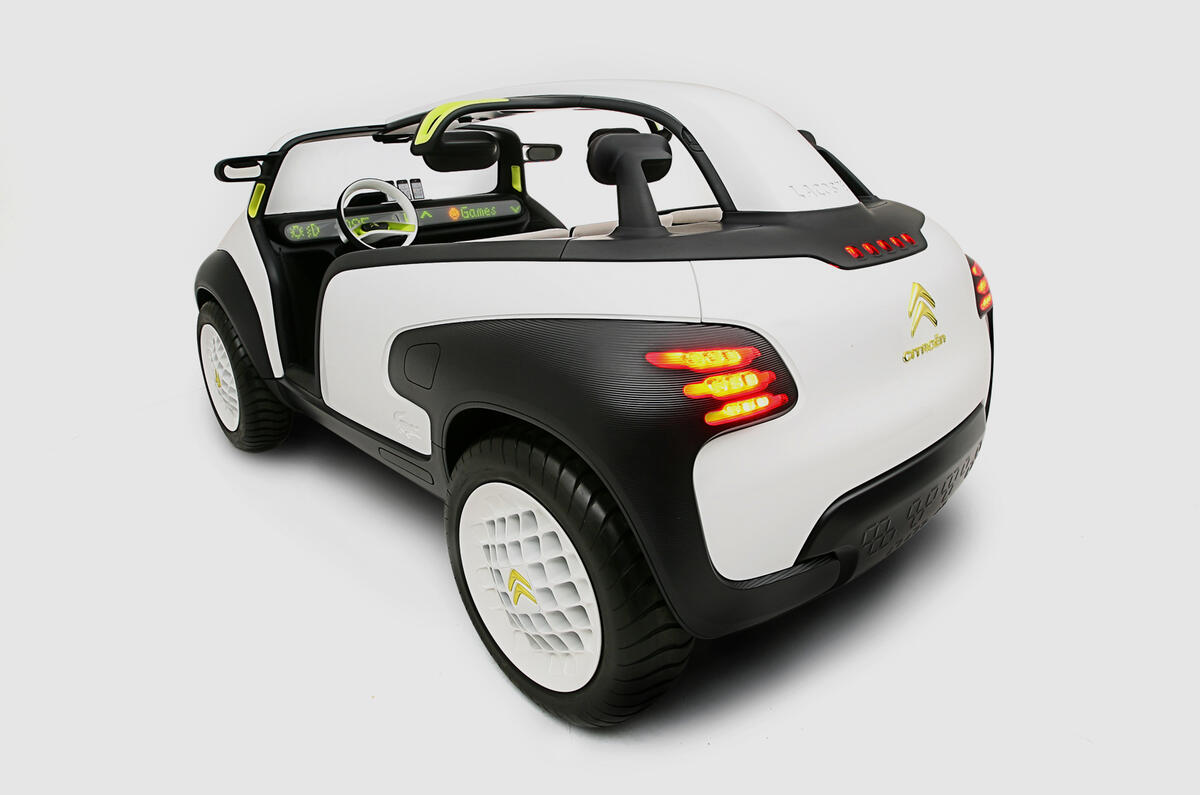
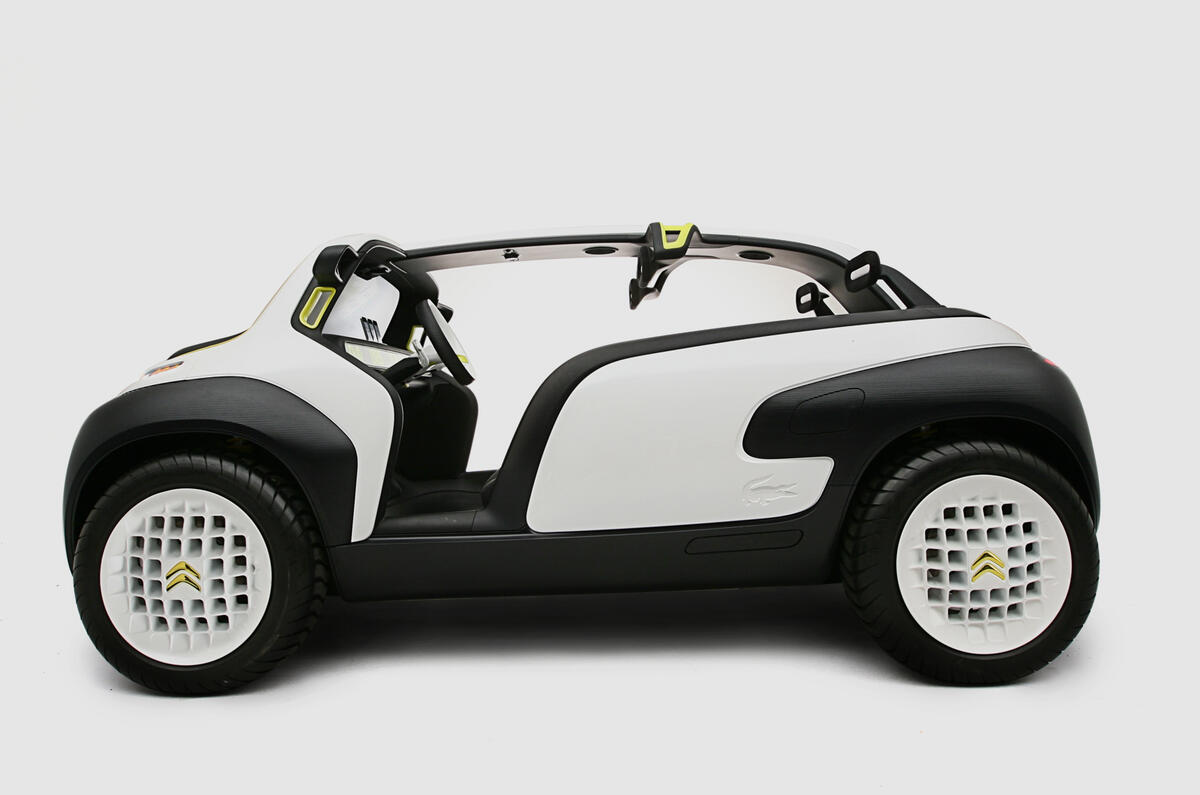
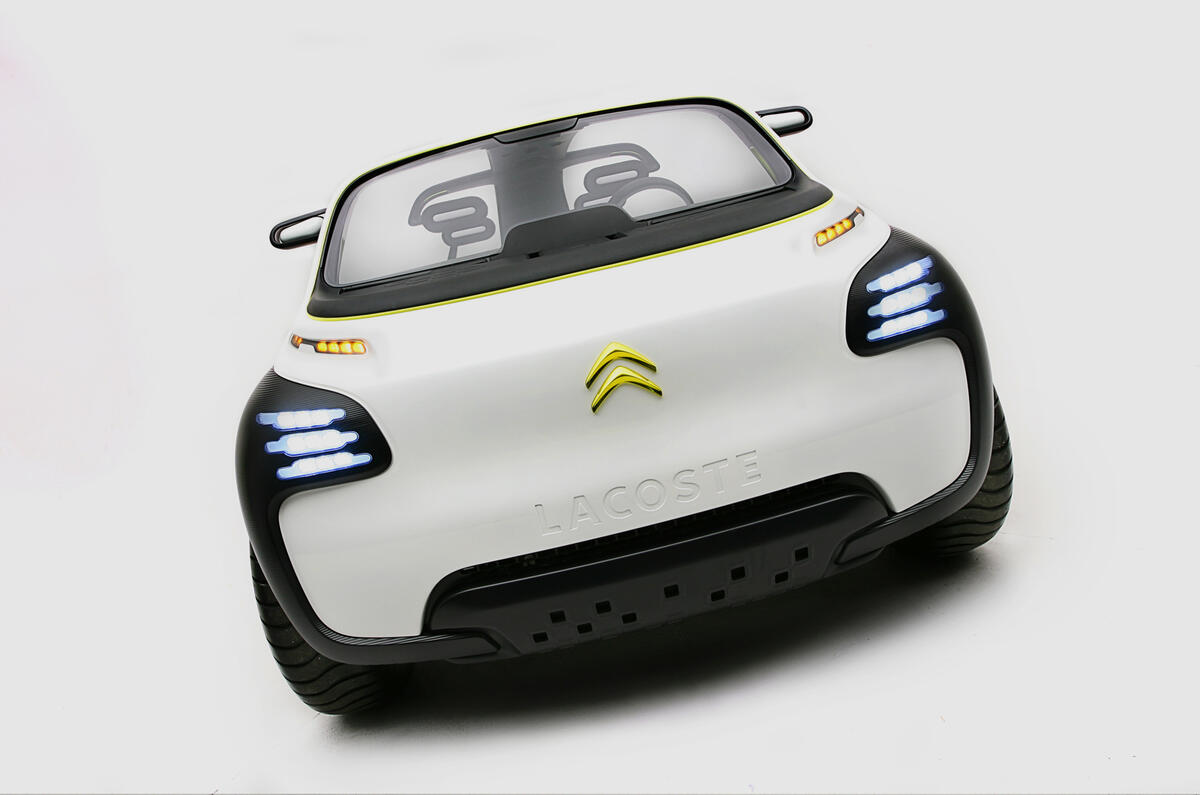
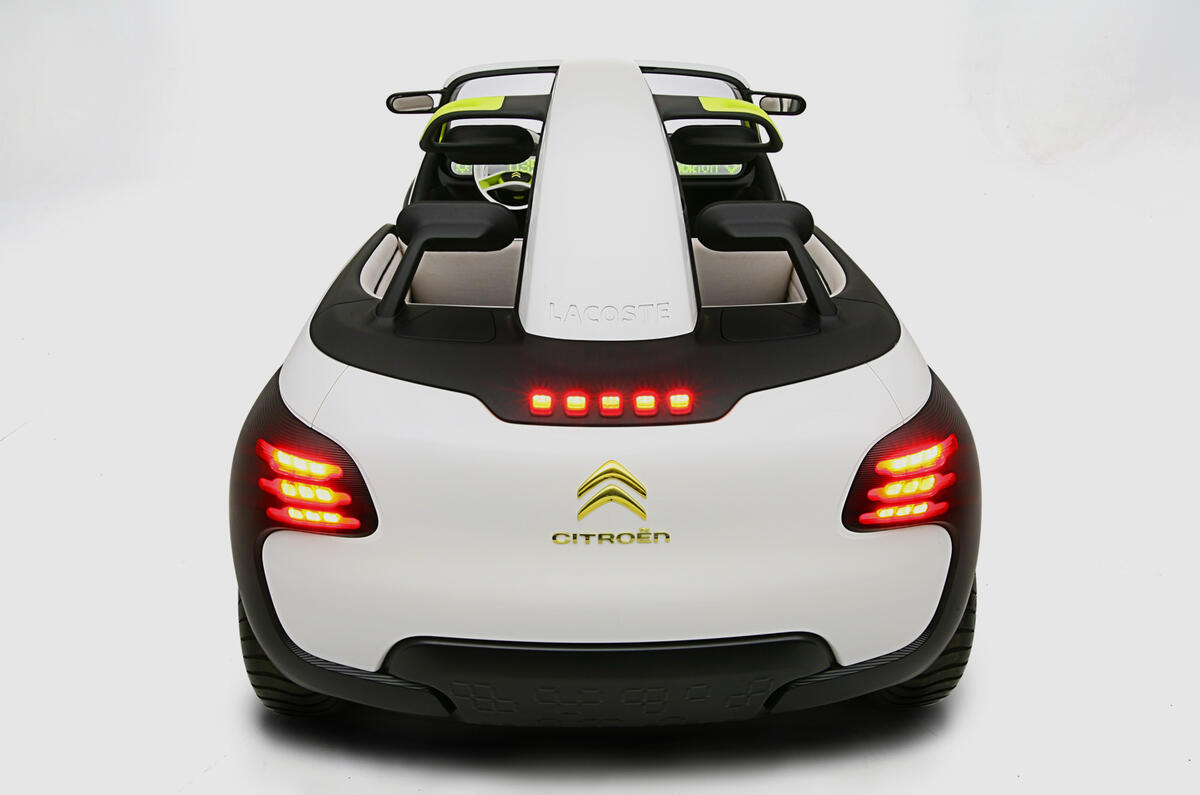










The Citroen Lacoste concept car was born following some of the principles that have guided design and architecture over many years: truth to materials; less is more; form follows function.
They are sayings that have found most favour in architecture. French architect Le Corbusier believed that a house was “a machine for living in”. And while he might have been happy with his tiny plywood ‘cabonon’ holiday cabin, the rest of us could have done without the giant tower blocks and soulless concrete estates his disciples built.
An architect only has one customer, and needs only to convince his client once and the design gets built. A car maker has to convince thousands of customers every month to make the second biggest investment of their lives.
The upshot is that the car industry was never invaded by pure modernist thinking, because it has to reproduce its expensive designs hundreds of thousands of times. The look of a car remains one of the most important reasons for purchase: its form doesn’t follow function, its interior doesn’t practice truth to materials and less is certainly not more.
Celine Venet is a 34 year-old stylist with PSA, who designed the Citroën Lacoste concept in 2010. She describes the philosophy that as a car, the Lacoste “doesn’t take itself too seriously; it is not something it isn’t.”
Citroen 2CV and Land Rover
In that respect Venet is invoking a previously travelled path for car design. There have been a few attempts to build a modernist car and many designers would like to realise a car whose form really does follow function. The cars that come closest are the ones which had a serious function, such as the Citroën 2CV and original Land Rover.
More recently, only the original Fiat Panda – with its flat glass, hammock rear seat, single wiper and pressed steel grille – got near to a true modernist car.
The Lacoste might well point the way towards a new kind niche of car, designed by a younger generation of stylists for a new generation of car buyers for whom the car is a means to an experience. The Post-Modern car may be around the corner, but not in the way we might have expected.
Work started with the Lacoste design team – which is located in central Paris – at the end of 2009 and the Lacoste was ready nine months later. “At Citroen we were not looking at retro,” says Venet. “We have a philosophy of laidback spirit – something that is easy to drive and easy to care for, easy transportation which delivers nice memories.”
Aside from the styling flourishes Venet reveals the deeper thinking behind the Citroen C1 sized concept. “The inspiration is that it is like a sneaker, with the wrap-under and over bumpers, the contrast between pure bodyside and wheel arch. The body is a small but powerful volume, always ready for adventure. The open sides deliver a sense of speed, removing the driver from the bubble he is normally in.”
Questioning established design
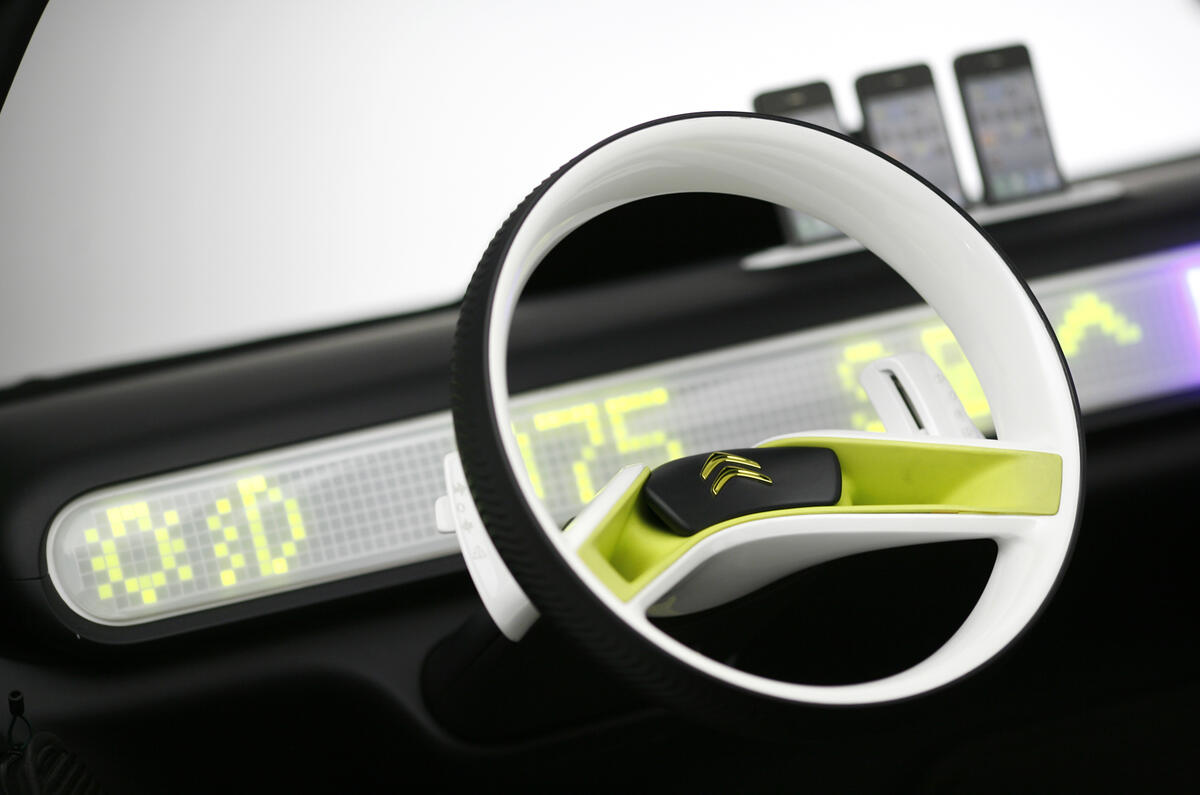
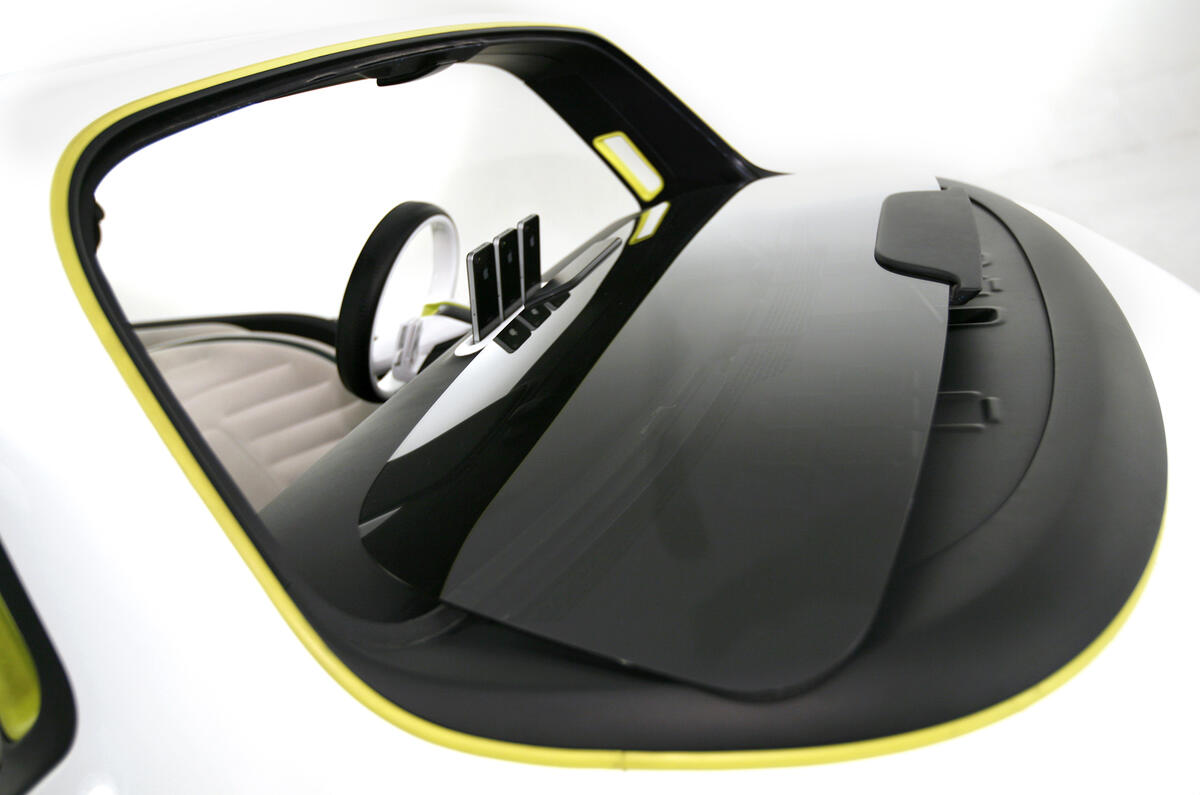
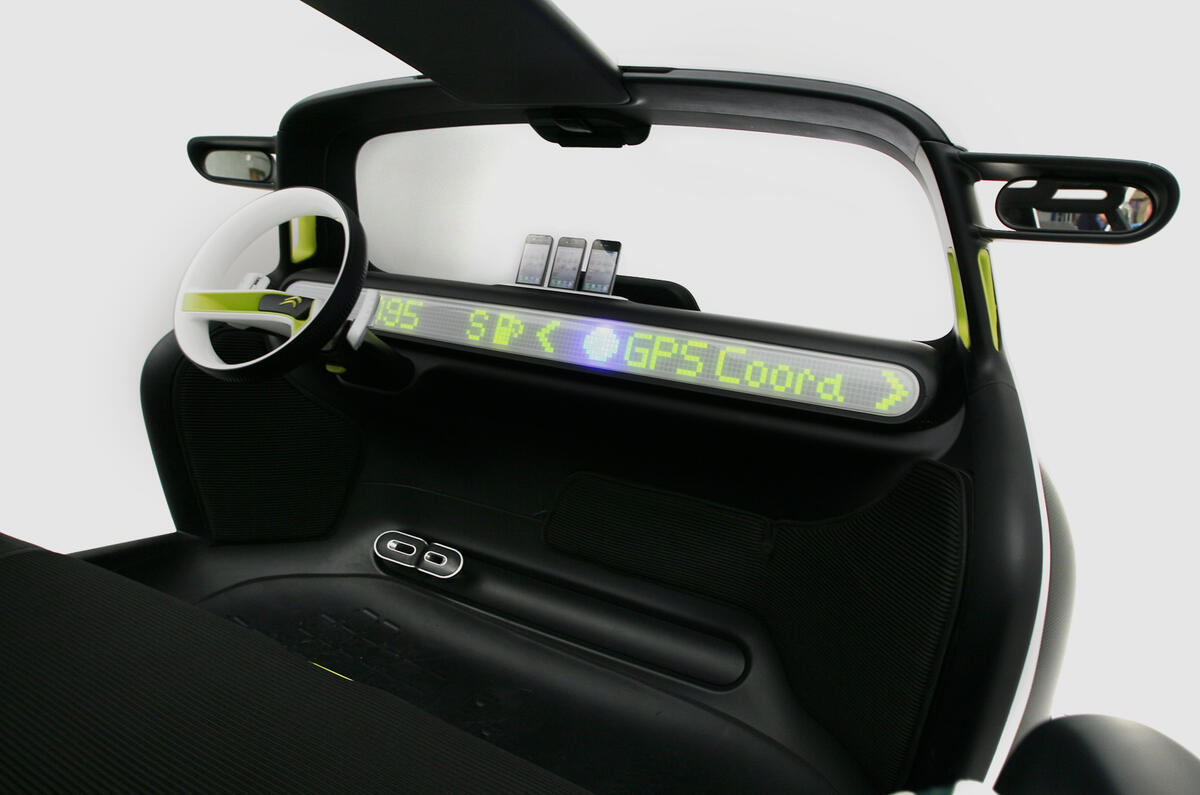
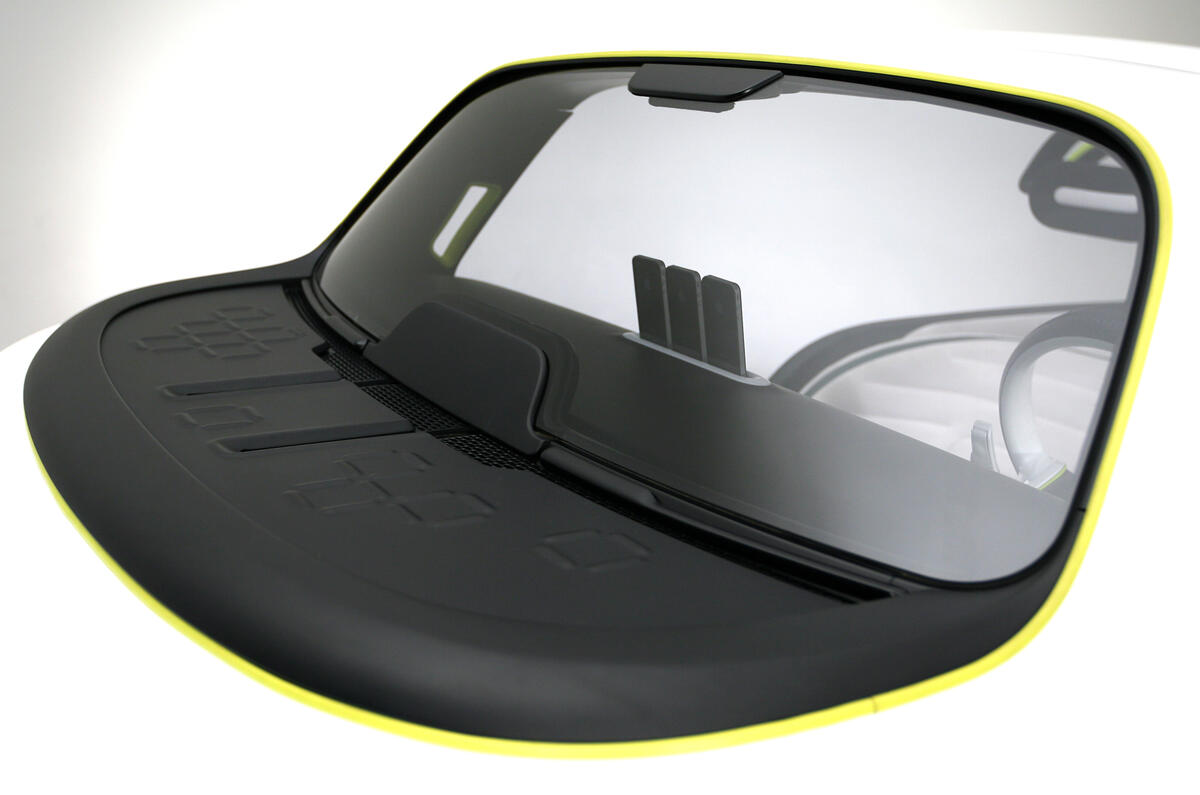
The Lacoste concept is full of design flourishes that completely question how a utility car should, or could, be. The instrumentation has been reduced to a minimum. There are no heating controls, the dashboard is a huge LCD strip made up of giant pixels. The pedals are two small pads, the transmission selector has been moved to the roof lining. The boot works like a giant drawer and the rear seat slids away into the boot. ”It is reduced to simplicity. I believe in that philosophy. We don’t want to become too annoyed with too much information. I am not being naive, but optimistic and laid back. I want to focus on the people around you and not be so driver centric. Rather than creating a bubble, this is an open car, so you can feel the elements and the rain and wind. It is for fellowship.”