
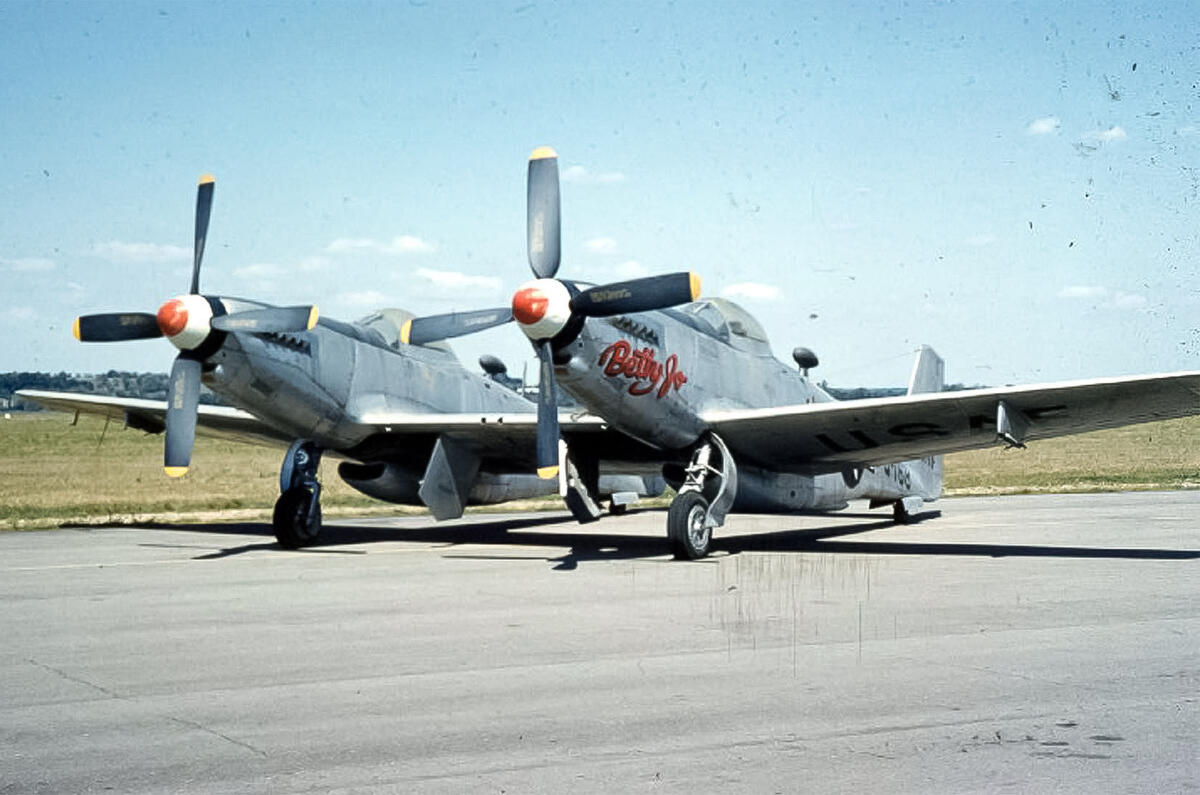

Vast swarms of aircraft were built during the Second World War as combatants constantly tried to seize an advantage.
With so many aircraft, it made sense to modify an existing aircraft rather than come up with something new. What follows are ten such modifications. This includes crewed missiles, flying tanks, ludicrous firepower, and fighters grafted together to form new conjoined machines. Some were brilliant, some were appalling failures, a few were outstandingly successful, and all shed light on a terrifying innovation race with the highest possible stakes:
10: US Heavy Bomber fighter conversions: YB-40 and XB-41
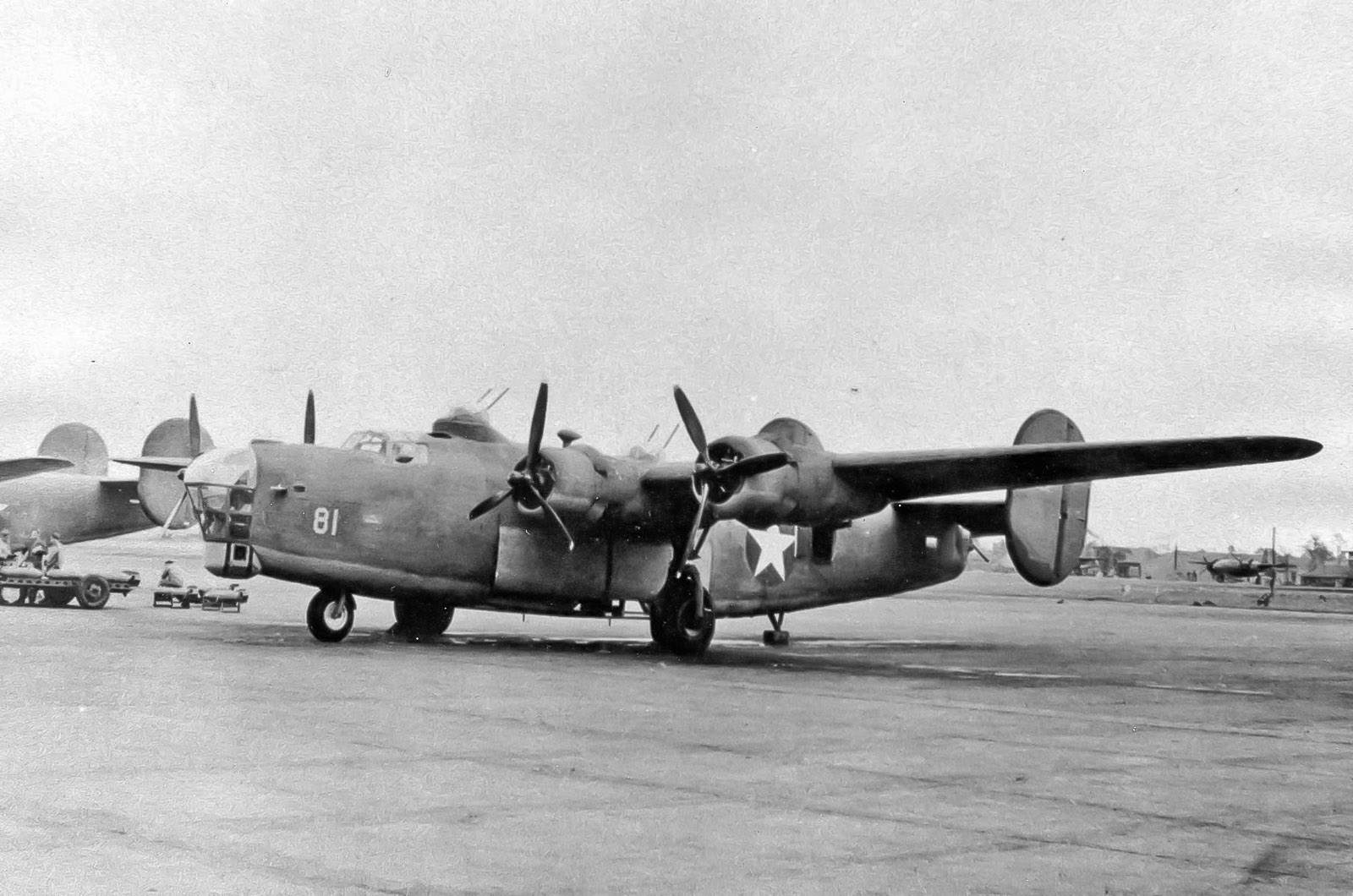
During the Second World War, converting fighters into bombers was a fairly commonplace occurrence, but examples of bombers that became fighters were far rarer. Those there were tended to be small, fast bombers such as the de Havilland Mosquito; the idea of a heavy bomber becoming a fighter seems absurd.
Yet the USAAF attempted exactly that, converting examples of both the B-17 Flying Fortress and B-24 Liberator into escort fighters. Only one example of the XB-41 Liberator, modified to carry fourteen .50-calibre machine guns and over 14,000 rounds of ammunition, was built. Although testing proved problematic, the B-17 conversion proved slightly more successful.
10: US Heavy Bomber fighter conversions: YB-40 and XB-41
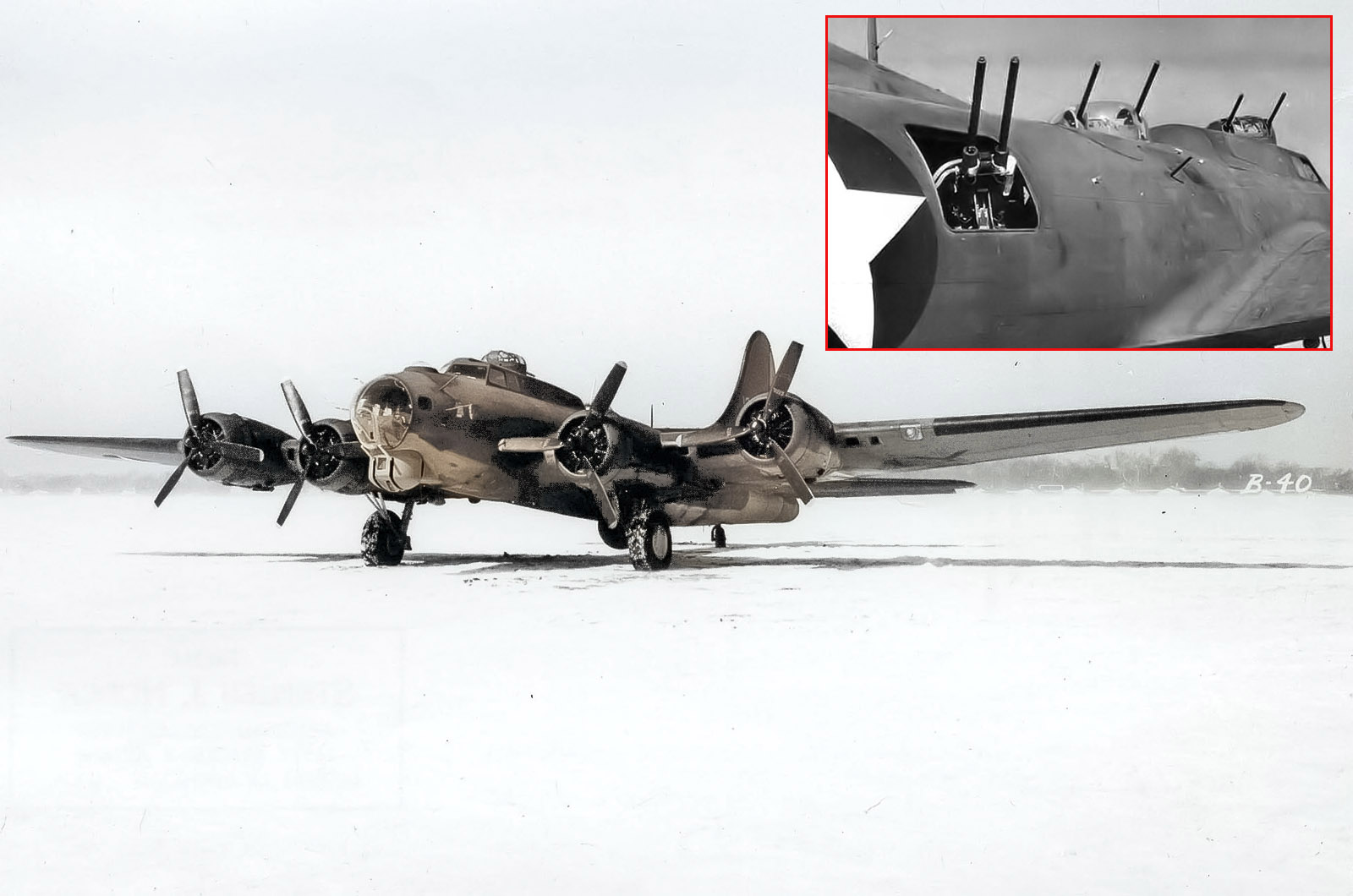
The Boeing YB-40 was equipped with up to thirty defensive guns, though it typically carried fourteen or sixteen. Armament was mostly .50 calibre machine guns in various configurations, though 40-mm cannons were also tested. Twenty-five examples were built, and the aircraft was tested on combat missions over Europe.
No aircraft has ever flown with such a formidable gun-based defensive armament. Unfortunately, this made the aircraft so heavy and slow that it couldn’t keep up with the bombers it was supposed to protect. After participating in just ten missions, the entire project was abandoned.
9: Grumman XF4F-3S ‘Wildcatfish’
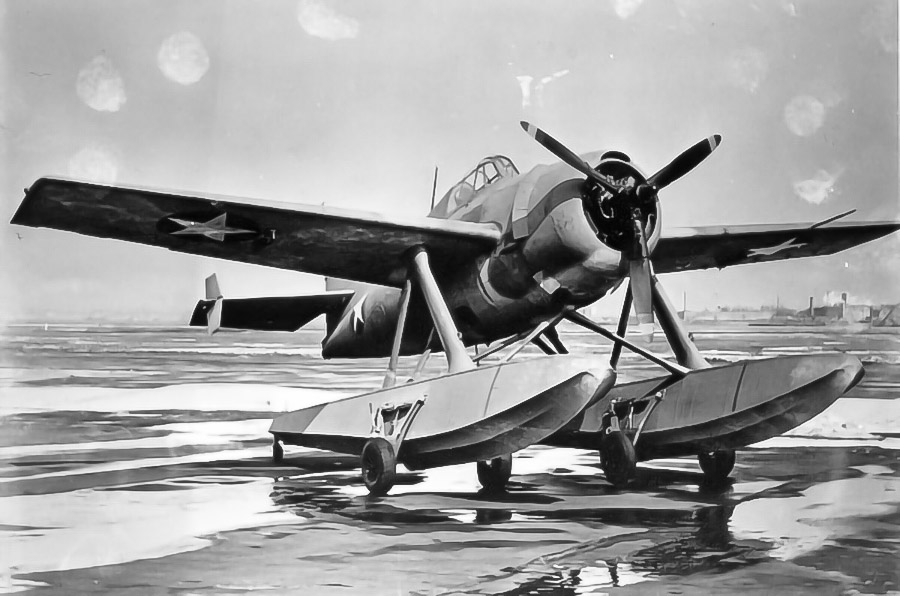
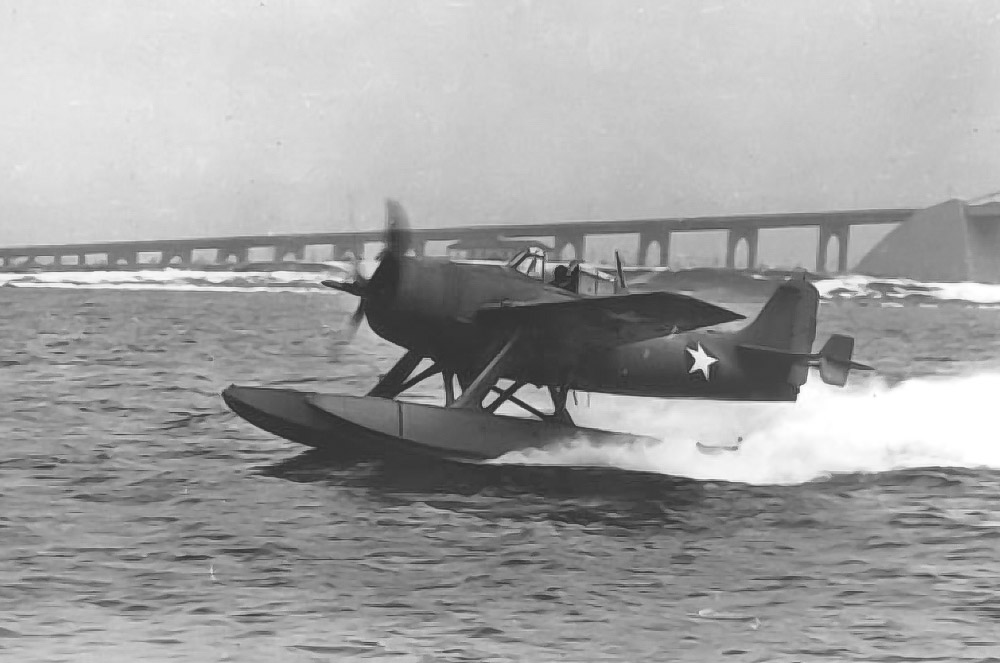
Various land-based fighters were converted to become seaplanes during the Second World War. A few were very impressive, like the Spitfire floatplanes; some of the others were, to put it kindly, somewhat underwhelming. One such was the floatplane derivative of Grumman’s spectacularly successful F4F Wildcat, which was developed in 1942.
Inspired by the Japanese use of floatplane fighters from remote island bases in the Pacific, the float manufacturer Edo was contracted to convert a standard F4F-3 fighter to operate from water. As well as the floats, the aircraft required a ventral fin as well as auxiliary fins on the tail to maintain stability.




Add your comment