
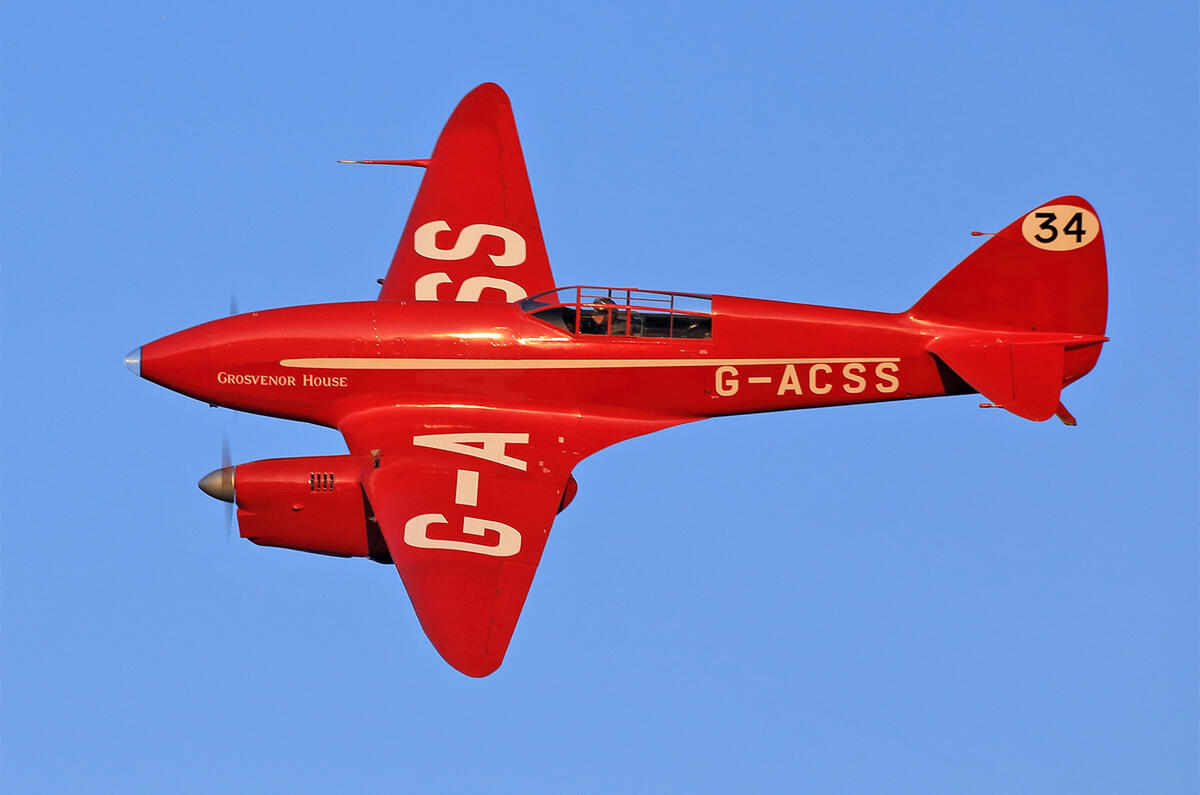

Sleek, daring, and breathtaking, British racing aircraft of the 1920s and 1930s combined ravishing beauty with tremendous performance.
From the elegant Supermarine S4 to the record-breaking Gloster VI, these popping, crackling machines captivated the world, snatching glory in the Schneider Trophy and beyond. This article delves into the stories of these remarkable racers, which inspired the wartime Spitfire and Mosquito, and advanced the science of aviation with unparalleled style.
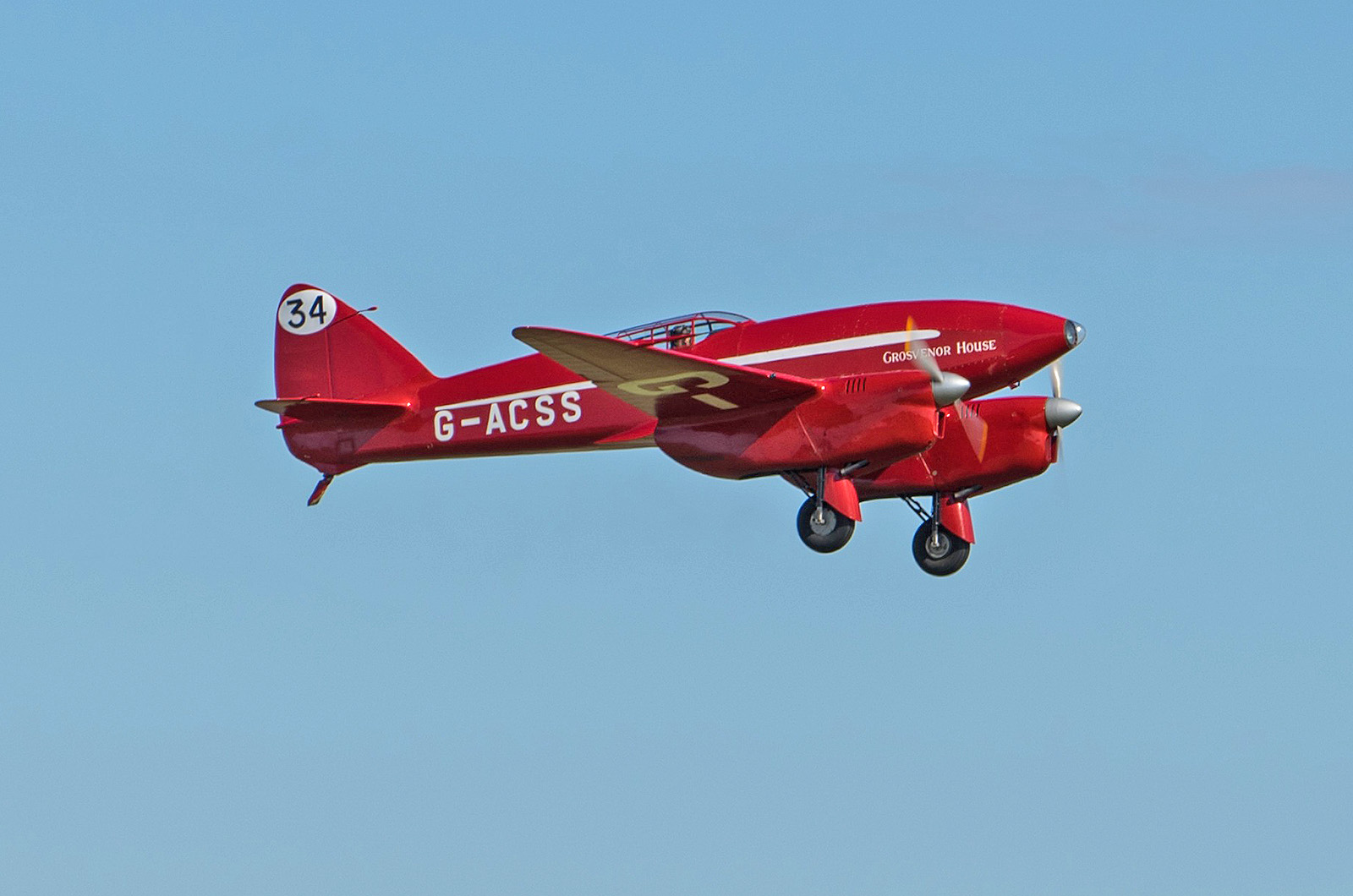
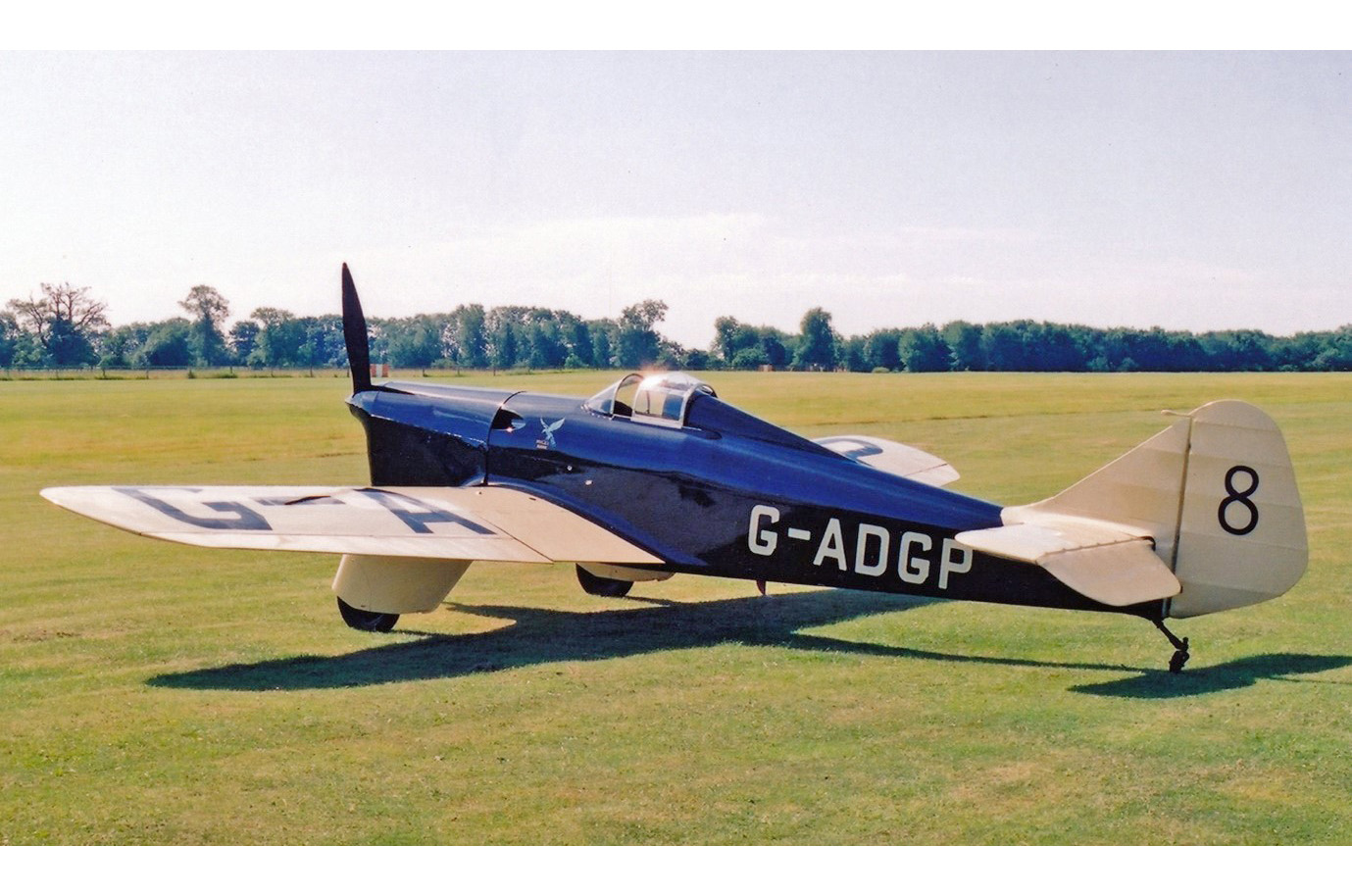
10: Percival Mew Gull
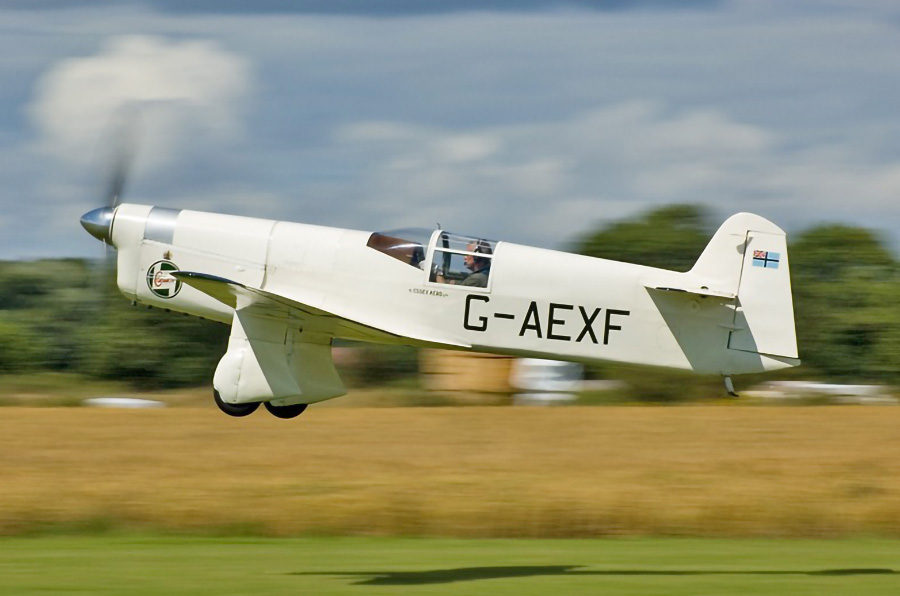
The Mew Gull won the 1937 and 1938 King’s Cup Air Races. During the second half of the 1930s, Mew Gulls dominated air racing in the UK, consistently winning until the war stopped virtually all civilian flying in September 1939. It even clocked a record-breaking speed of 236.25 mph, the fastest ever recorded by a British light aircraft.
In 1939, pilot Alex Henshaw flew a Mew Gull from England to Cape Town and back in 4 days, 10 hours, and 16 minutes, setting a solo round-trip record that stood for over 70 years. His aircraft, G-AEXF, remains airworthy (after multiple rebuilds) and is preserved at the Shuttleworth Collection in England.
10: Percival Mew Gull
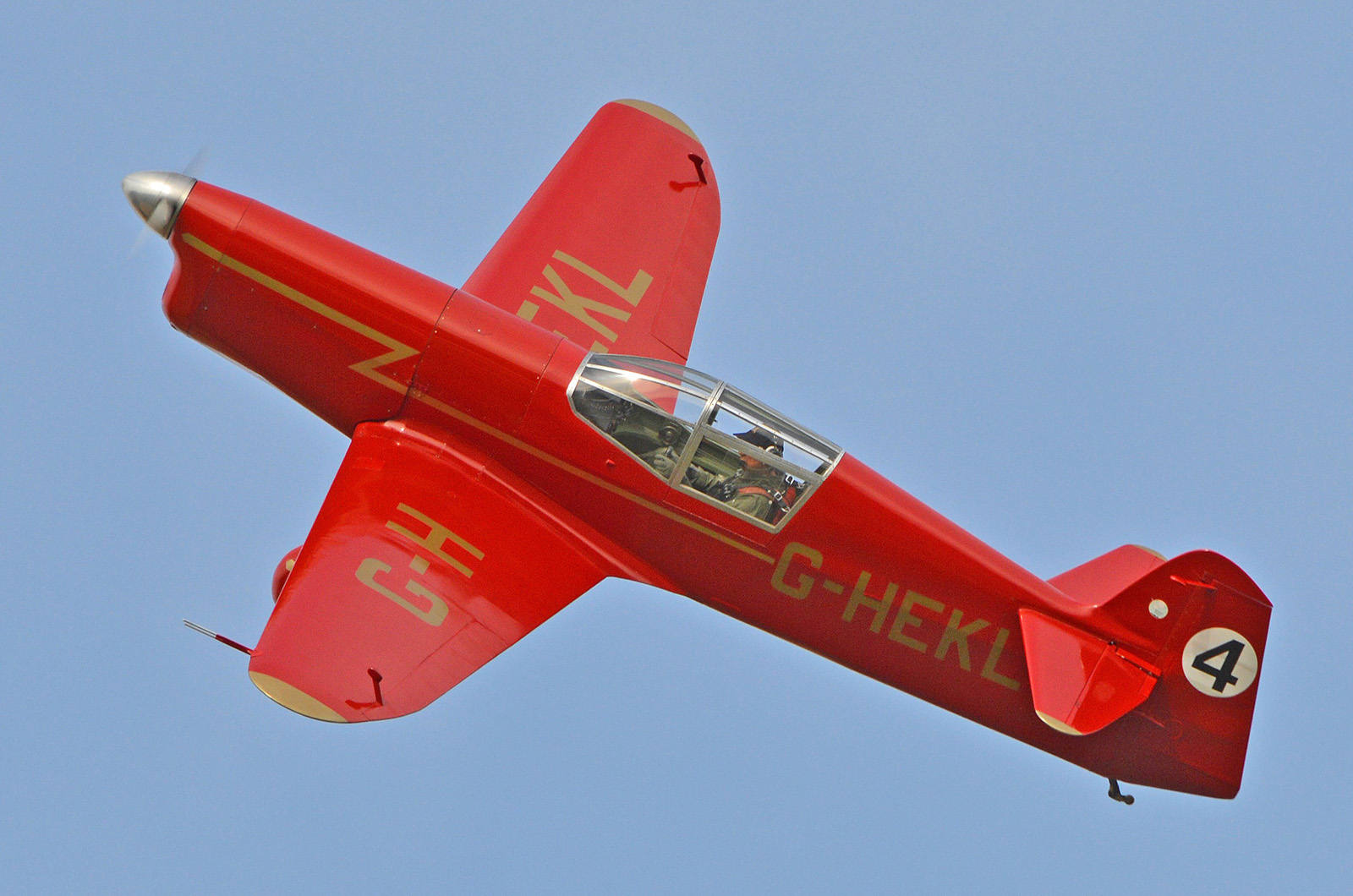
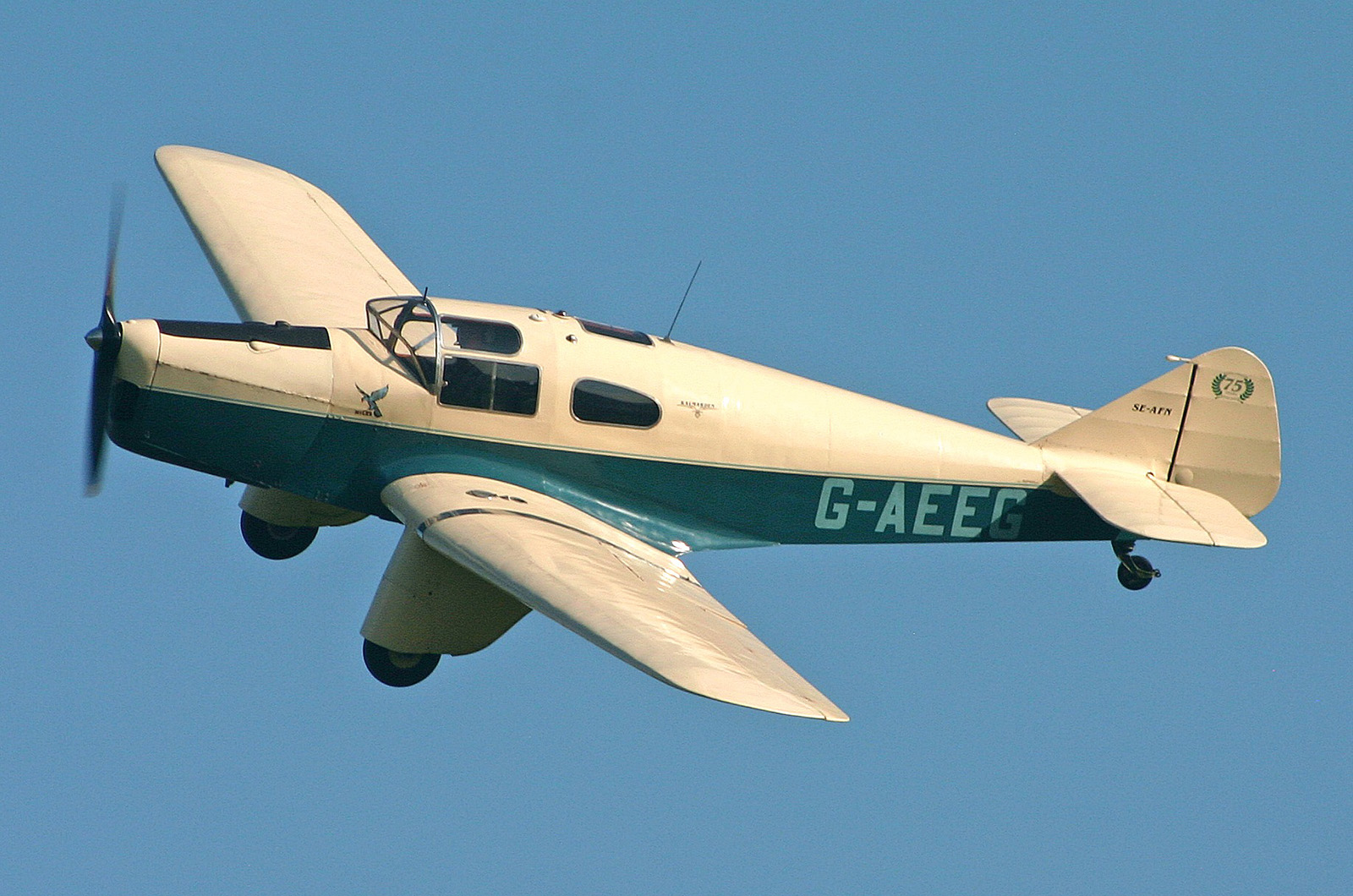
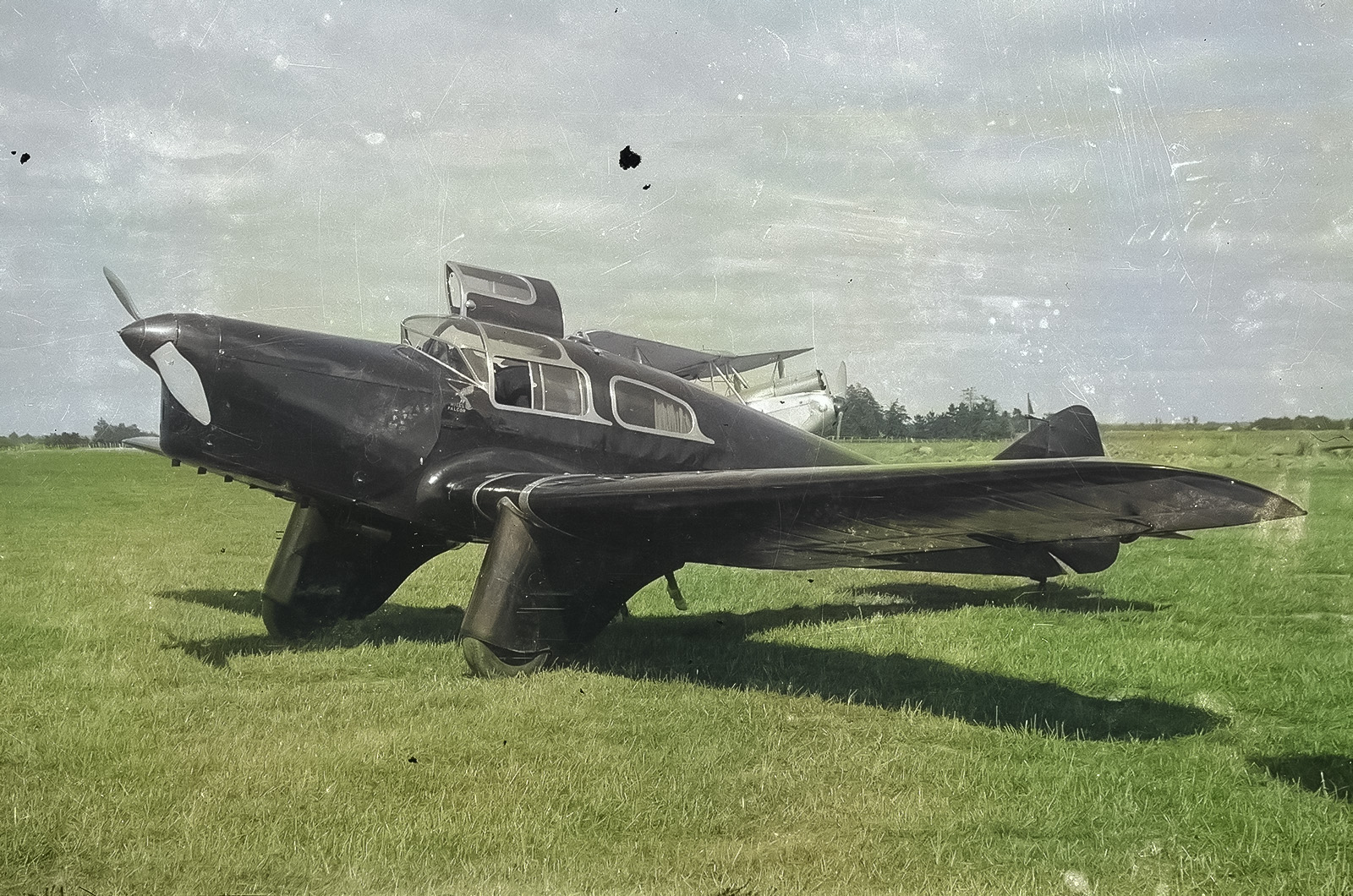
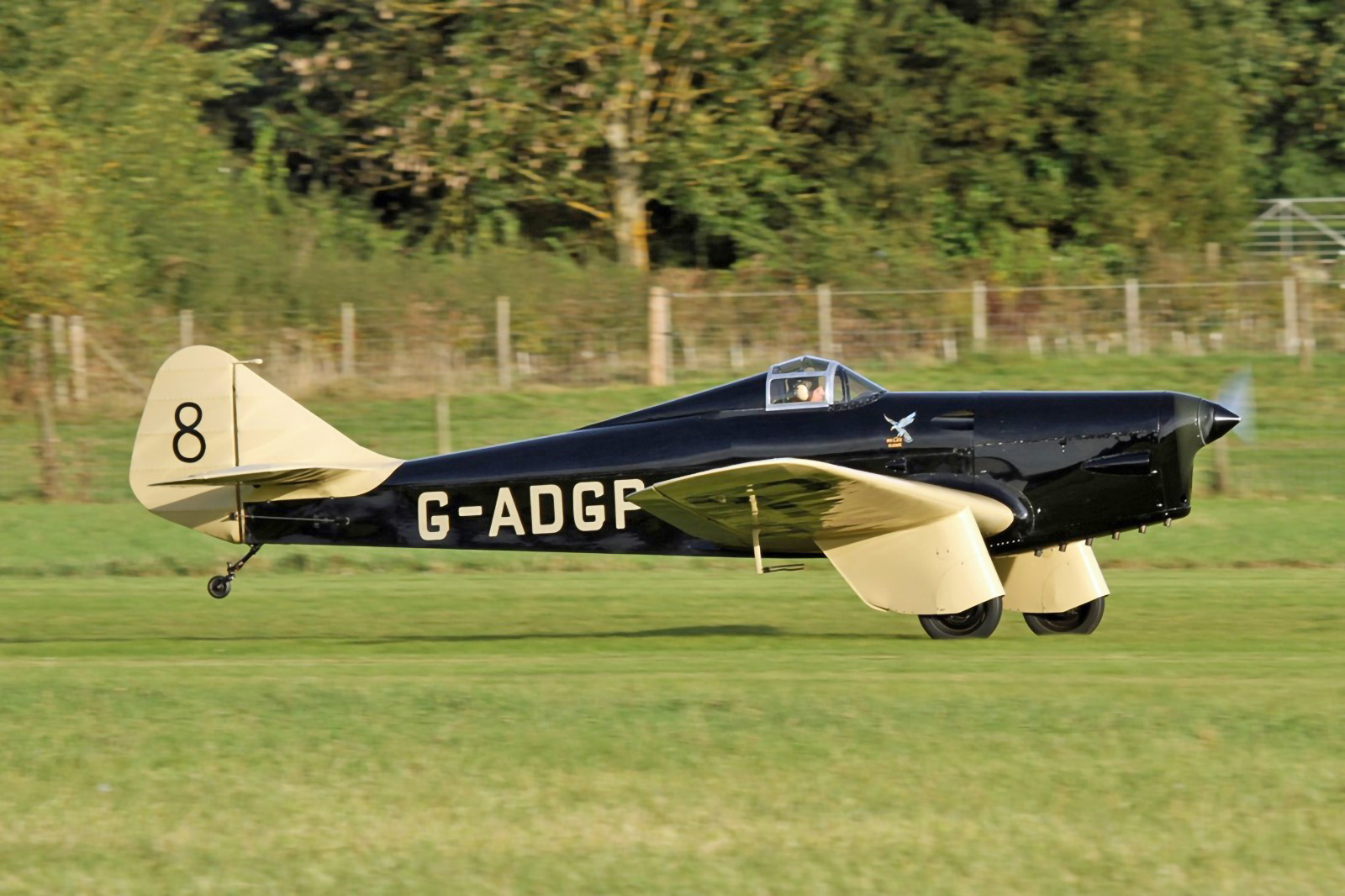
The Mew Gull’s beauty lies in its sleek, aerodynamic design—clean lines, low-wing monoplane configuration, and compact form. Contributing to its good looks was the dainty tall profile of the de Havilland Gipsy Six engine. Its almost Art Deco wooden construction and minimalist cockpit emphasise function and form, embodying 1930s aviation elegance.
Even today, the Mew Gull captivates aviation enthusiasts with its graceful silhouette and racing heritage, a thoroughbred of immaculate form. G-HEKL is an airworthy replica of the Percival Mew Gull G-AEKL, and is a glorious sight to behold.
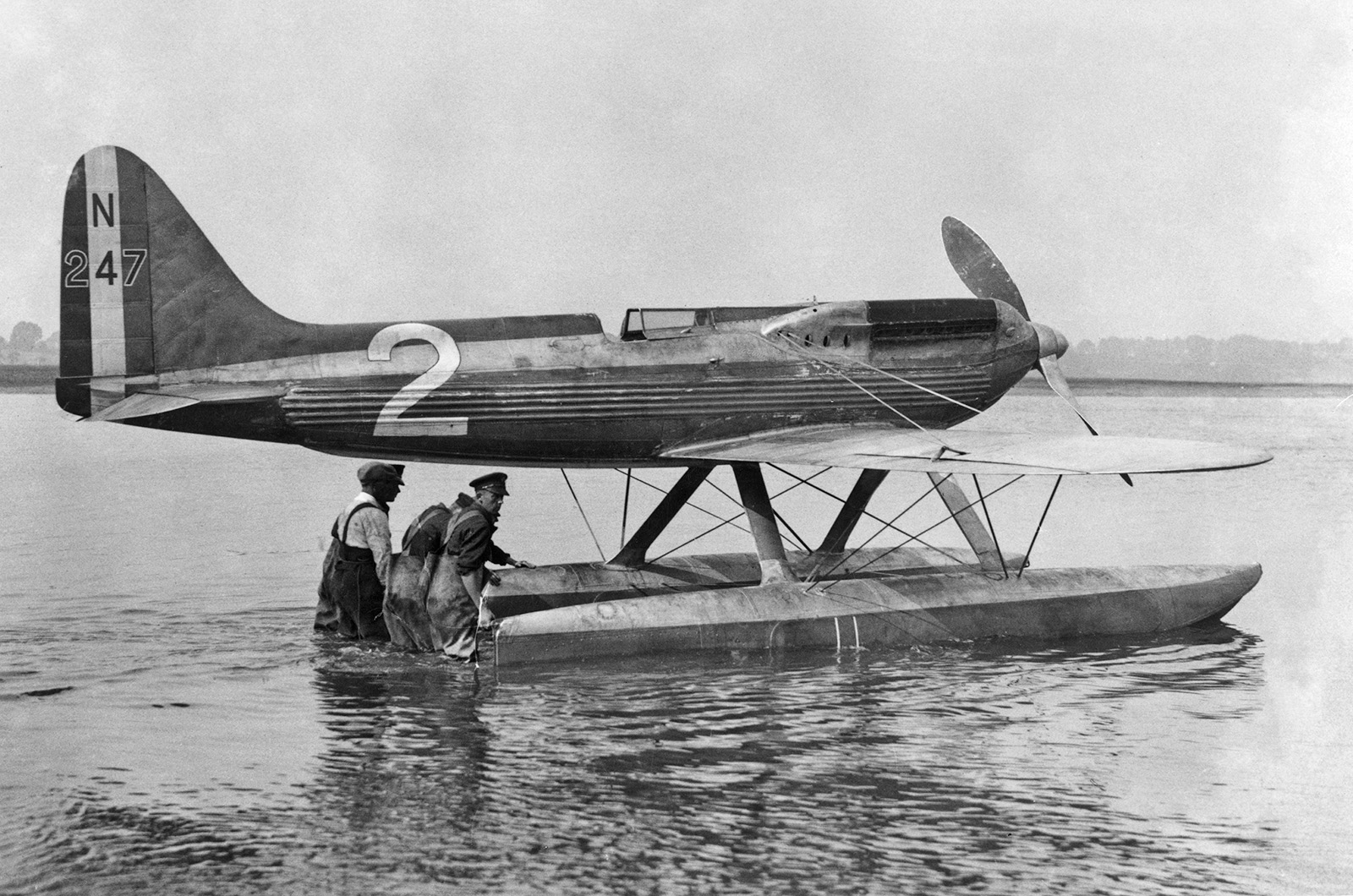
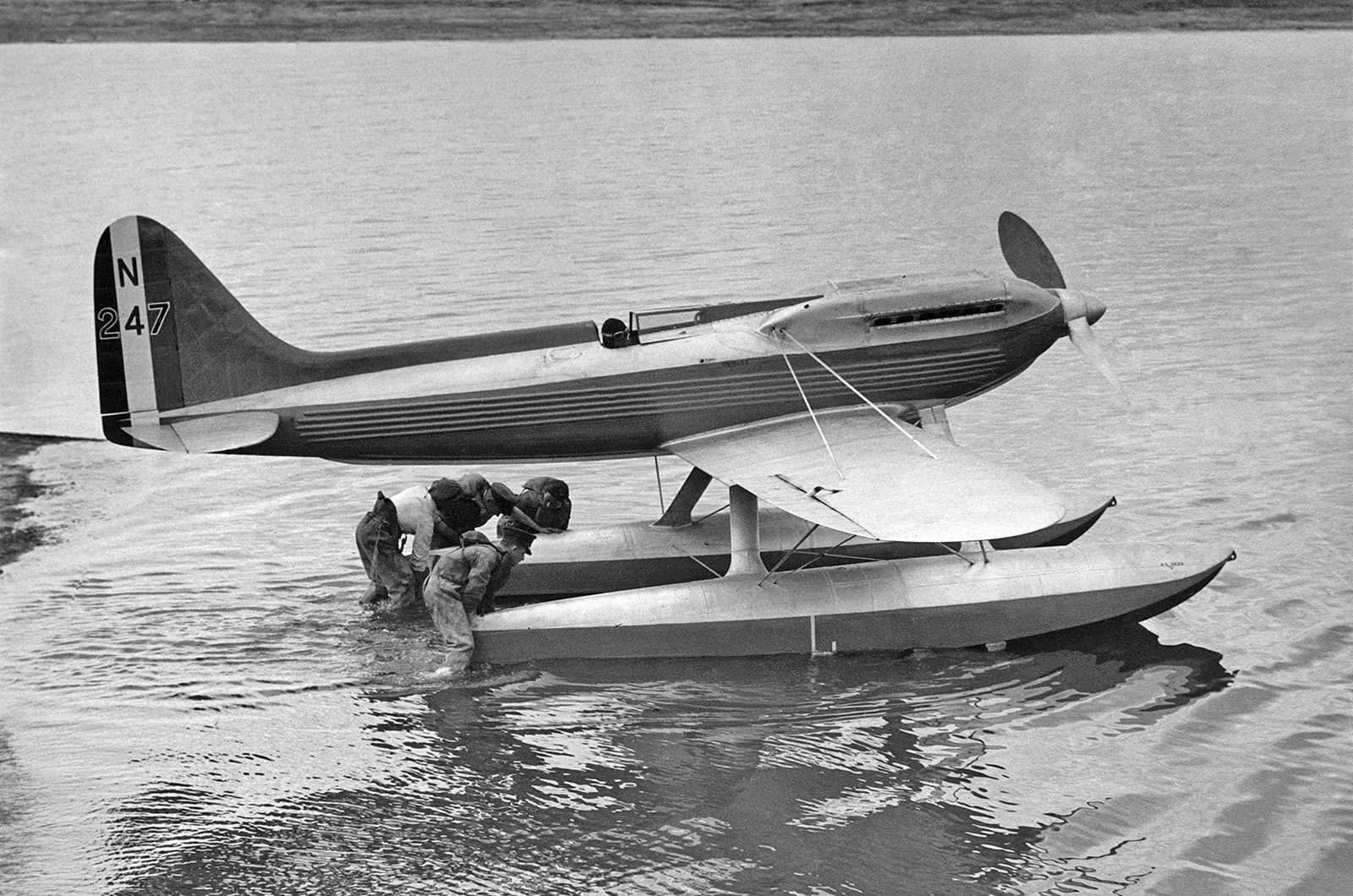
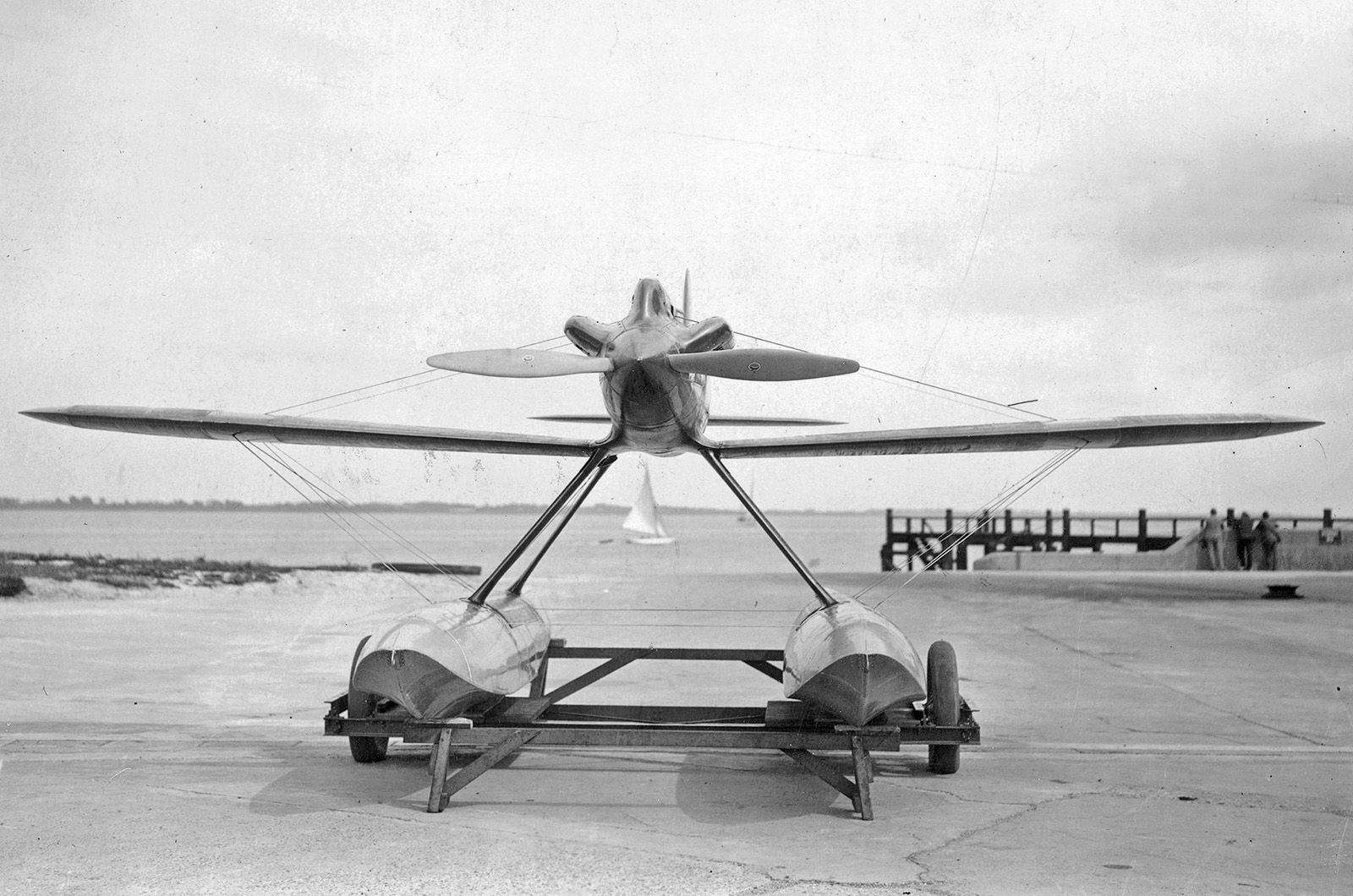
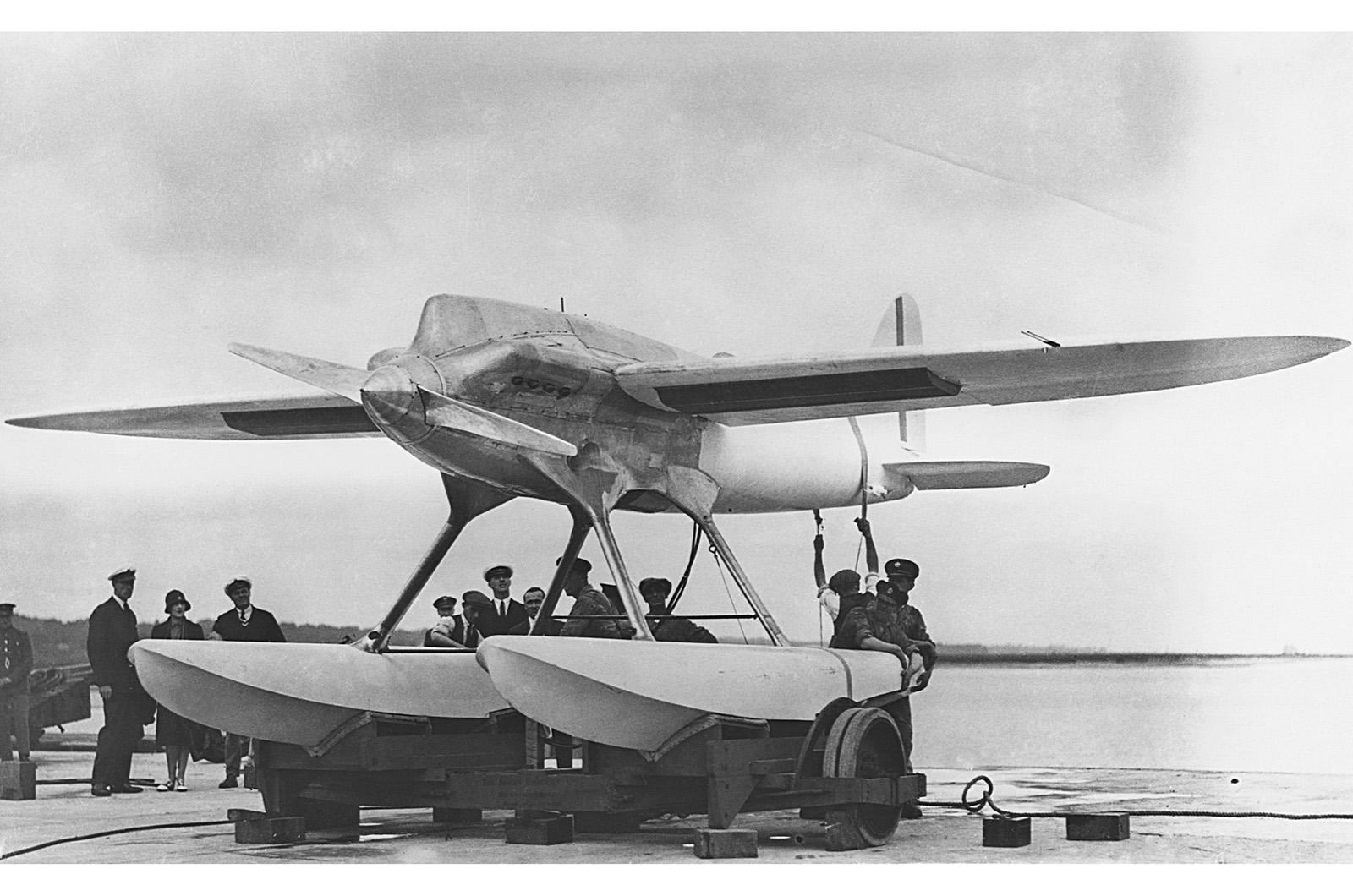
9: Supermarine S6 Series
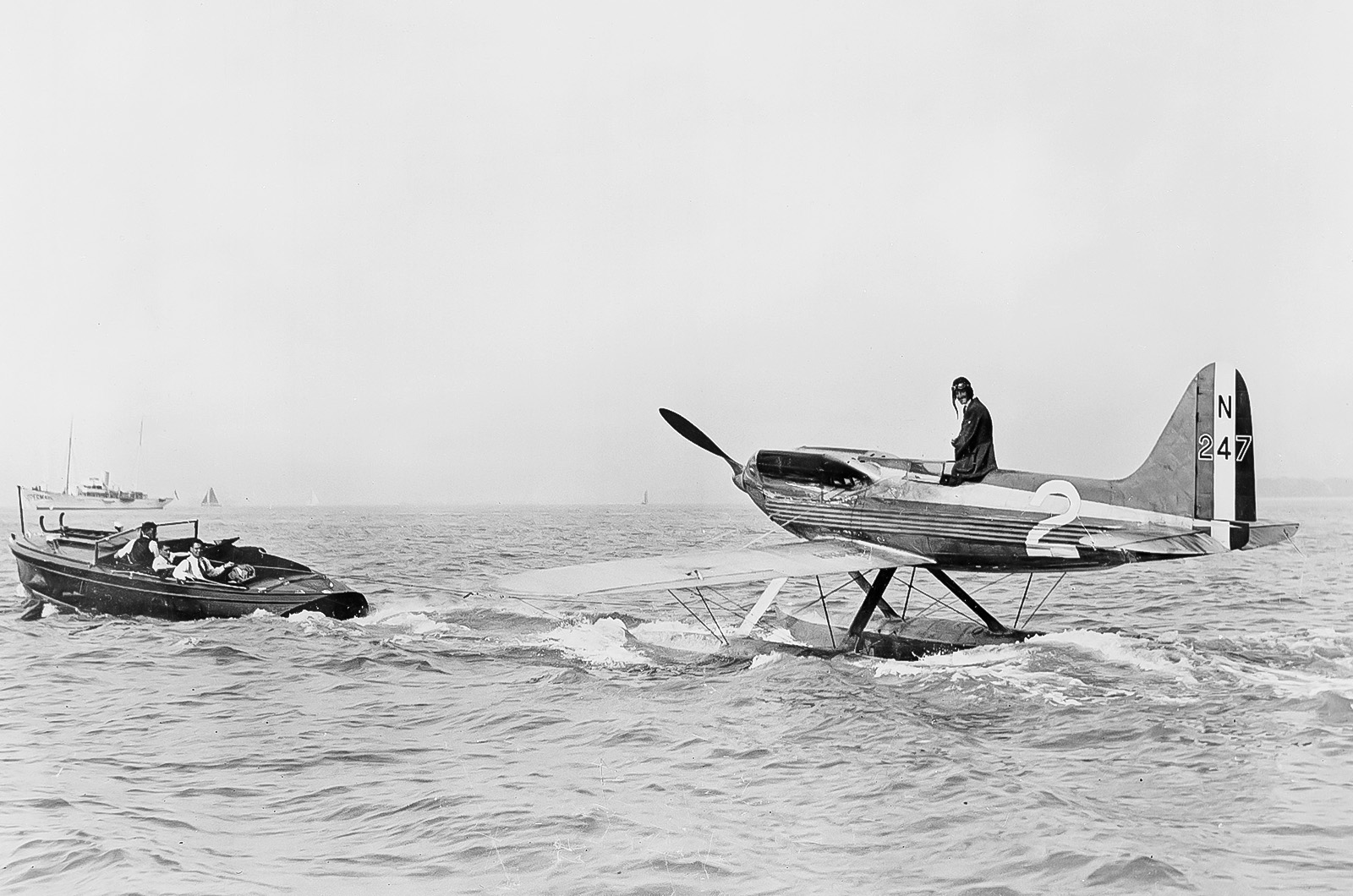
Before RJ Mitchell designed the Spitfire, he unleashed a series of stupendously fast floatplanes for the Schneider Trophy race. The S.5 had won the race in 1927 but was not considered competitive for the race of ’29, so Mitchell designed a successor powered by a new and absurdly powerful Rolls-Royce engine.
The new S6 was delivered only a month before the race, mainly due to problems with the Rolls-Royce ‘R’ (for Racing) engine. Although offering huge potential, it was a capricious unit, but had finally been tamed to an acceptable state of reliability by race day.
9: Supermarine S6 Series




Add your comment