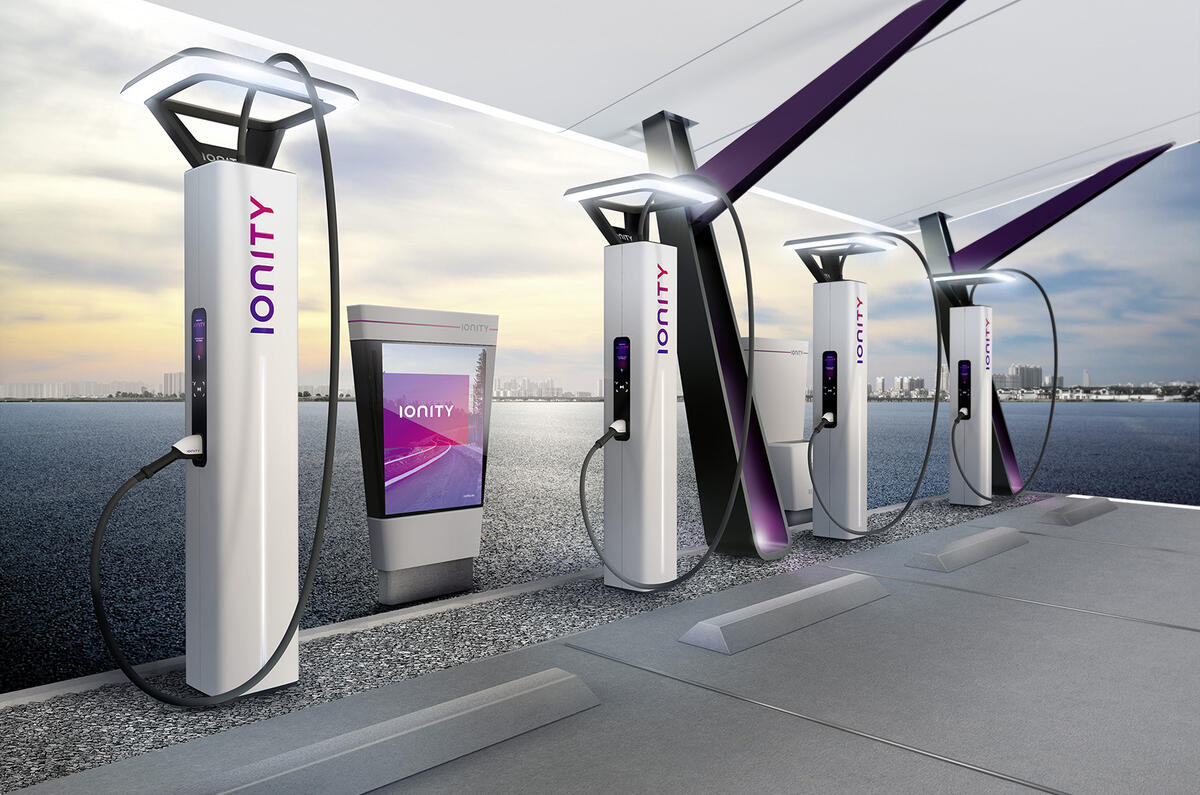
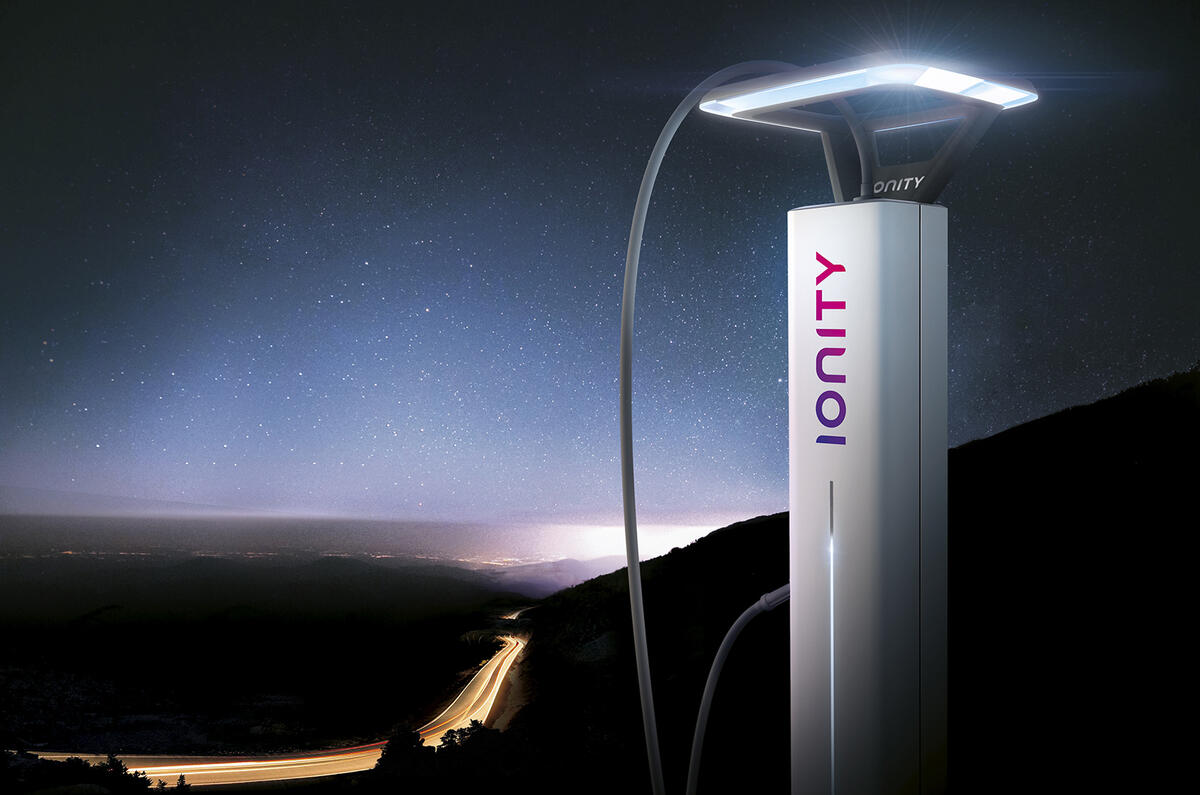

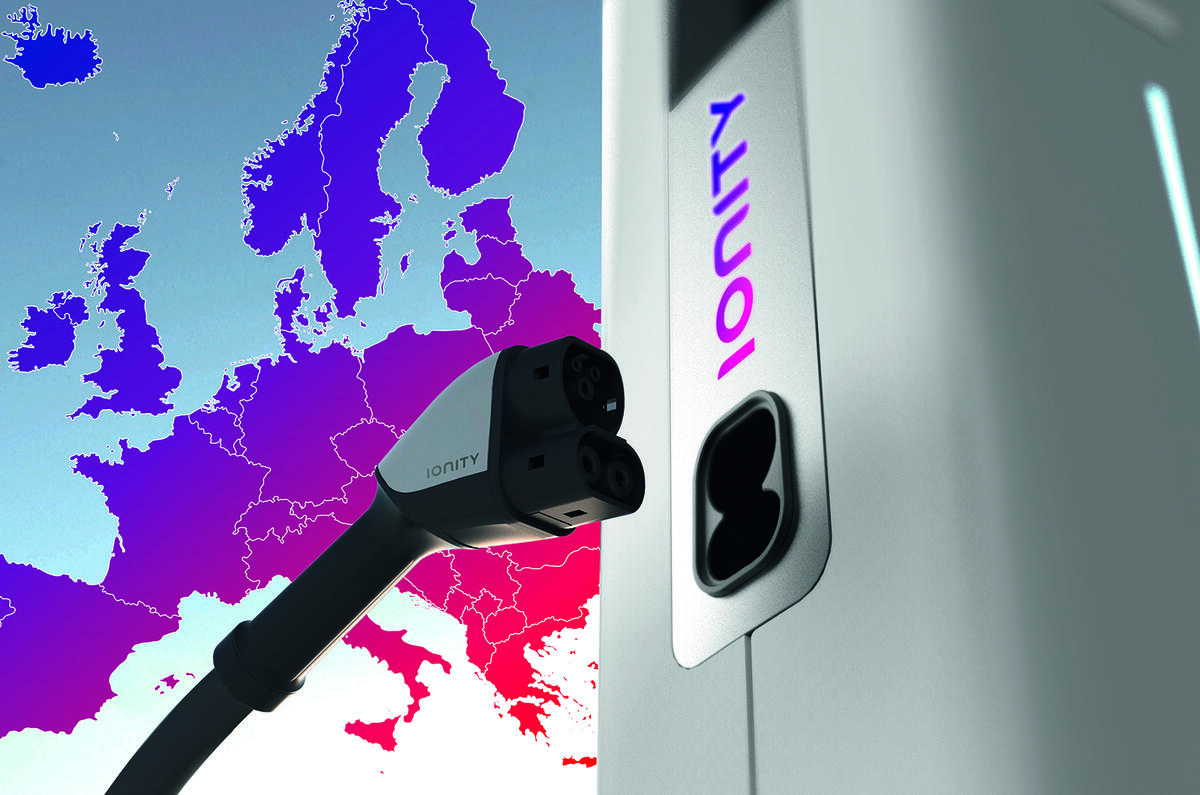


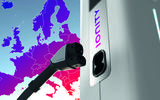

A consortium of German car giants, along with Ford, have begun work on an electric vehicle fast-charging network across Europe, named Ionity.
So far, 20 stations have been completed of a projected 400 charging stations planned by 2020. The network currently stretches along major routes in Germany, Austria and Norway, with 120km between each station. The short-term target is 50 stations by the end of the year.
A spokesman for the network said that that UK will eventually be included in Ionity’s charger network. However, no details have been revealed about how wide the network will be in the UK and how many chargers there will be. "Initial focus will be on the main routes between the metropolitan areas of the most populated European countries, but it is likely that all European countries will become part of the network."
Next year, a further 50 stations will be added to the network, with the project reaching its 400-station target by the end of the decade. This isn’t the final number of stations; more are expected to arrive after this.
BMW Group, Daimler AG, Ford and the Volkswagen Group, including Audi and Porsche, are all part of the scheme, which is open to other car makers. Even if they do not join the scheme, other manufacturers’ cars can still be charged on the system if they are equipped with the Combined Charging System (CCS).
CCS is already used by BMW’s i cars and the Volkswagen e-up and Volkswagen e-Golf. Ford’s electric vehicles and Mercedes’ EQ range will also use the system. Tesla, PSA Group, Nissan and Mitsubishi are not compatible with CCS. A spokesman for the joint venture said: "We support industry standardization with the use of the CCS standard, as it is the most commonly used charging standard that enables the majority of BEV drivers to use the charging network. The network will not be limited to vehicles from a single manufacturer but rather improve the experience for all BEV vehicles with the CCS standard."
Charging capacity of up to 350kW is planned for the network. Tesla Superchargers are currently less than half of this power. The spokesman confirmed that a charge will apply to use the network, but prices will be competitive with existing pay-per-use charger networks.
Read more:
BMW, Daimler, Ford and VW plan Europe-wide EV fast-charge network
Government to make EV chargers mandatory at large petrol stations and motorway services
The road that charges your electric car
London to gain 1500 new residential electric car charging points by 2020
Shell Recharge electric car service launches first in UK forecourt