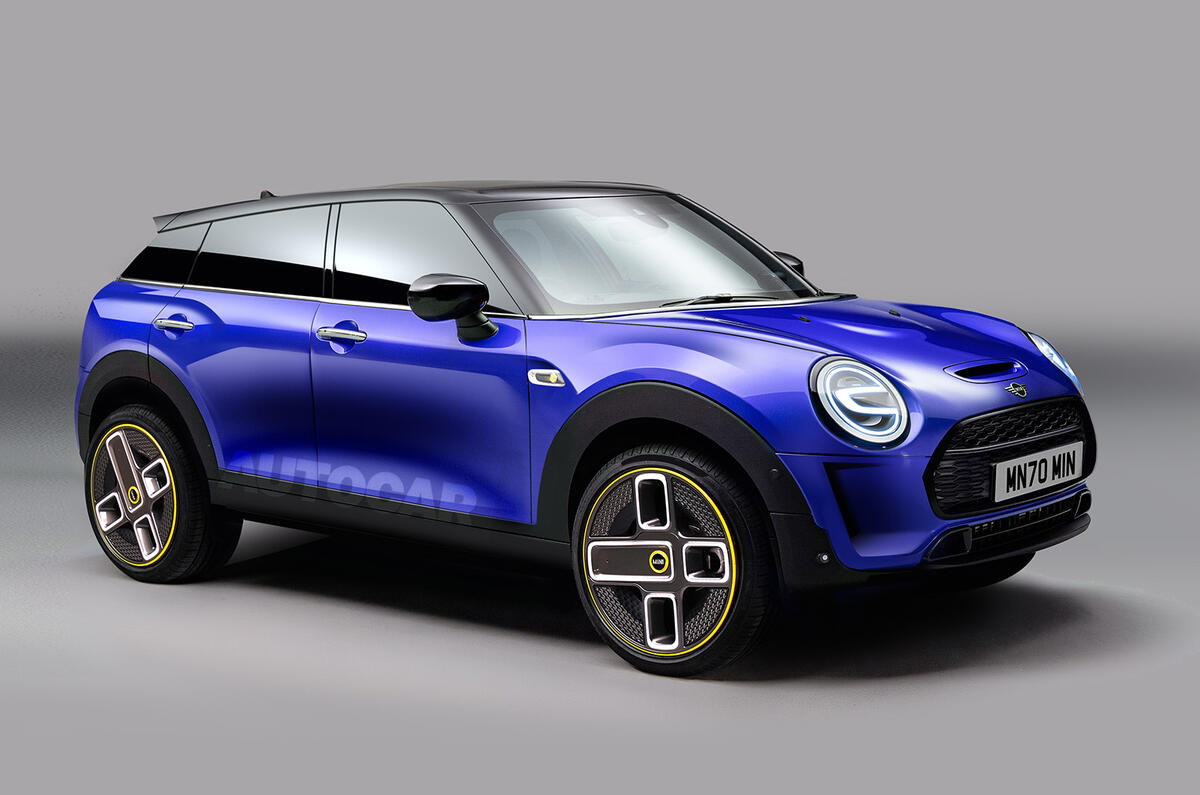
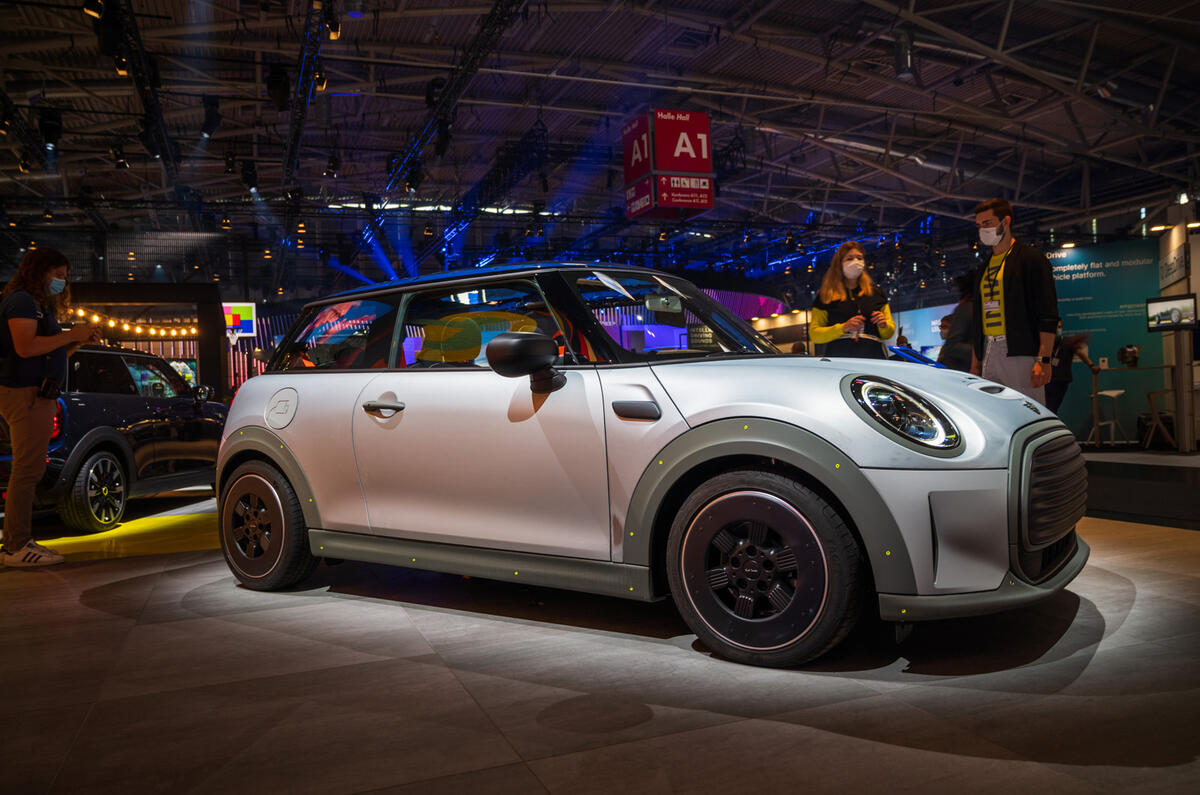






Mini has nearly signed off the designs of its next generation of models, which include smaller and bigger models with a mix of petrol and electric power.
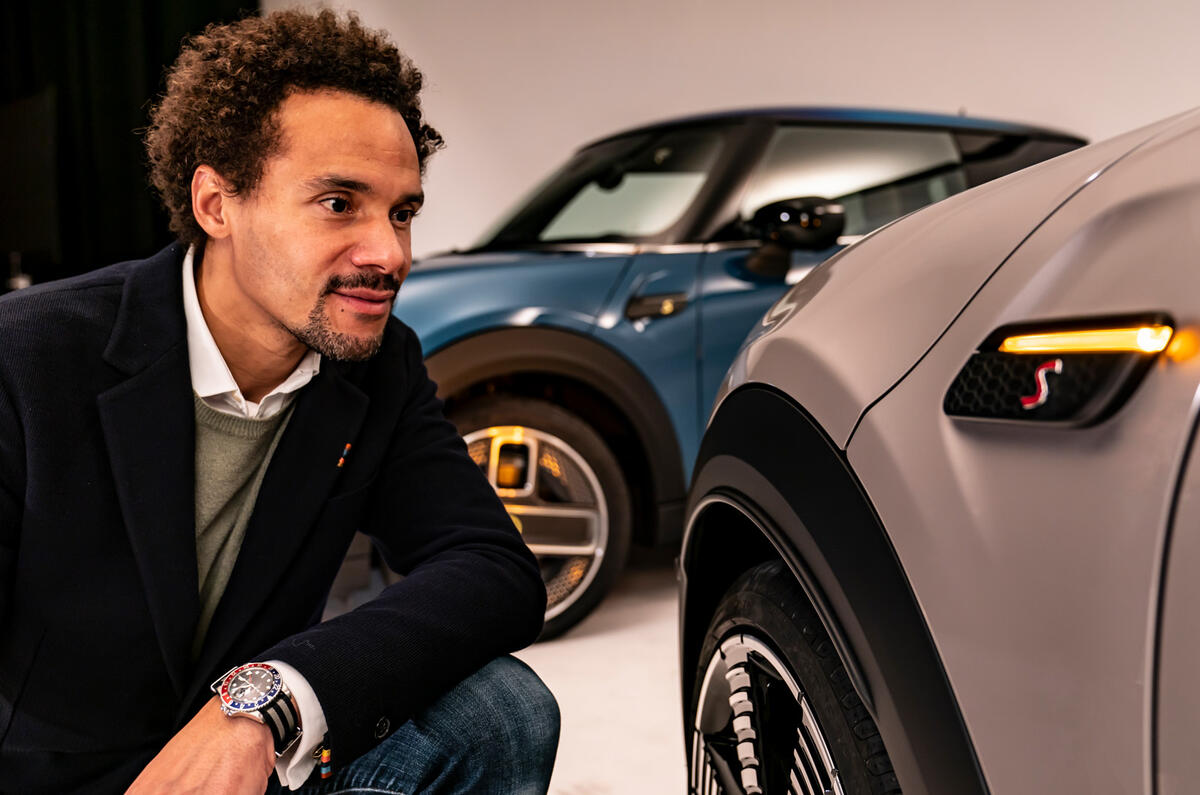
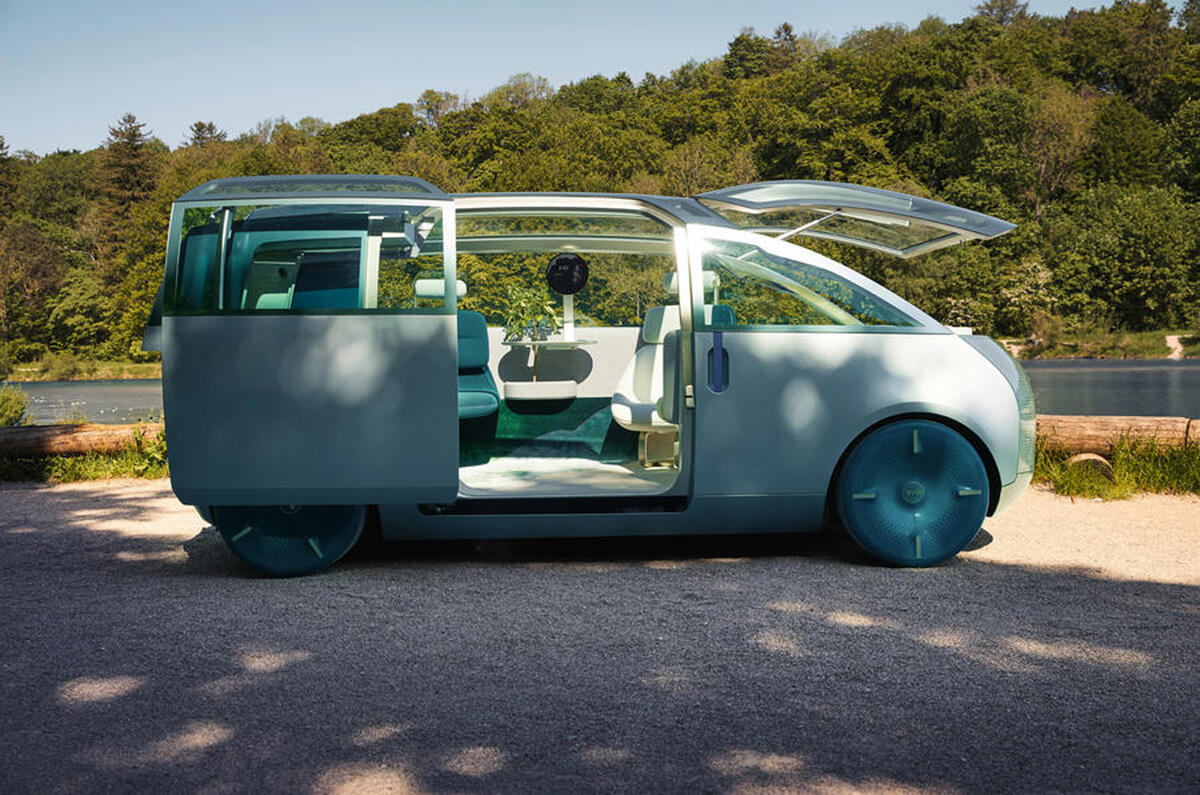
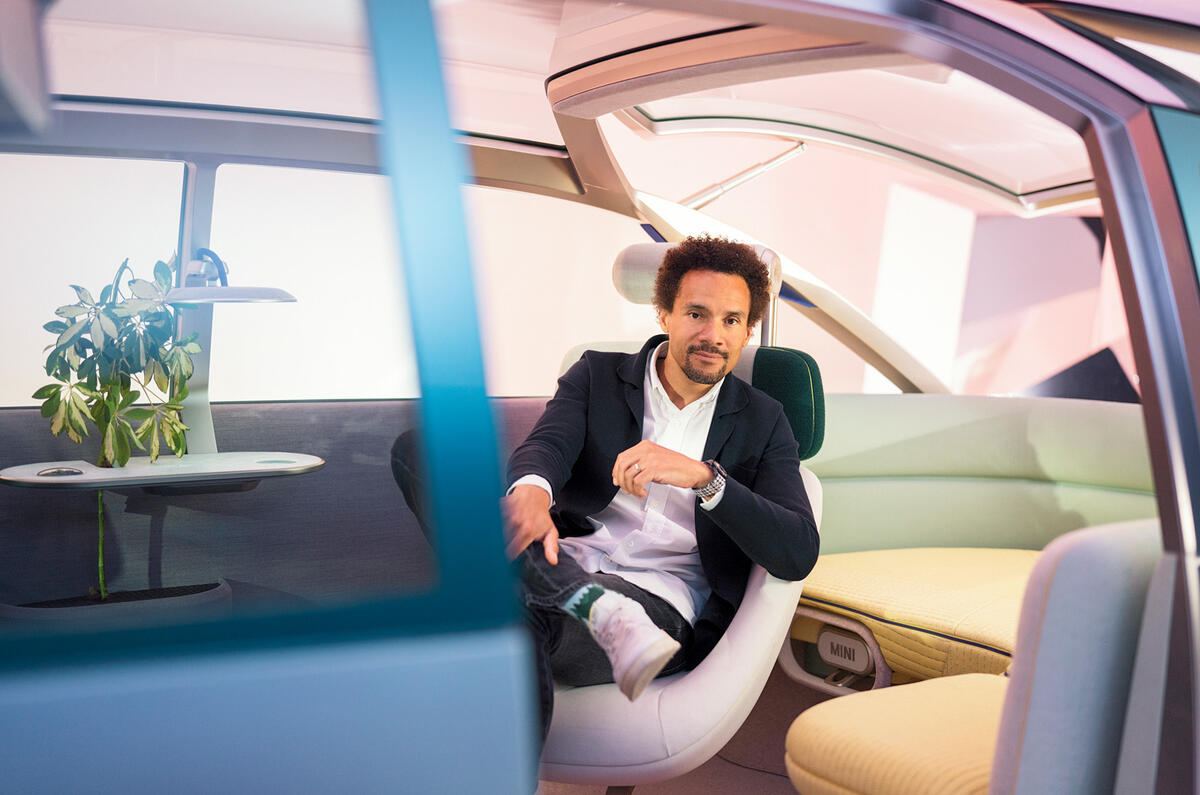
Design boss Oliver Heilmer, speaking to Autocar at the recent Munich motor show, promised an evolution in style for the “icon” of its range, the staple Mini three-door hatchback, but more radical designs are on the cards for the rest of the line-up, with clues provided by the recent Urbanaut concept.
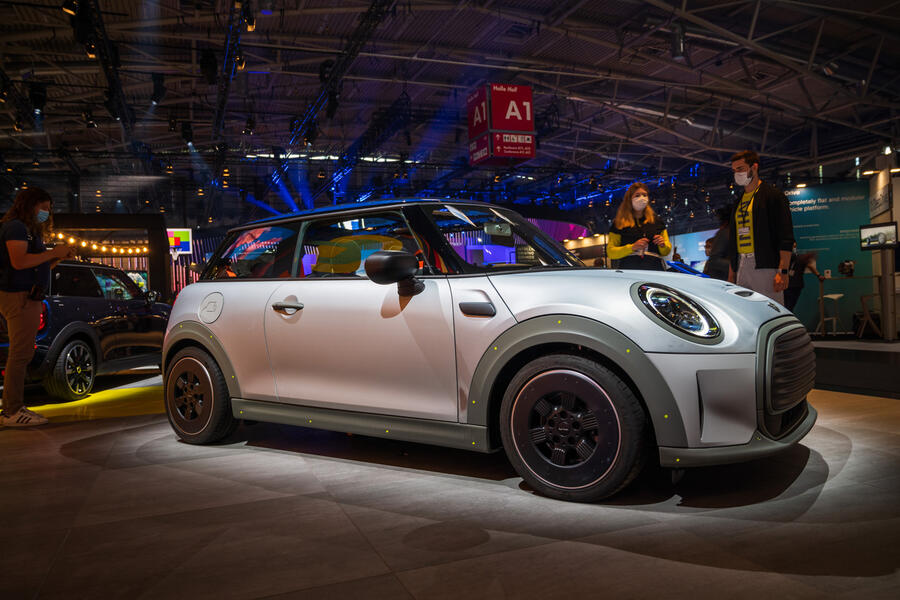
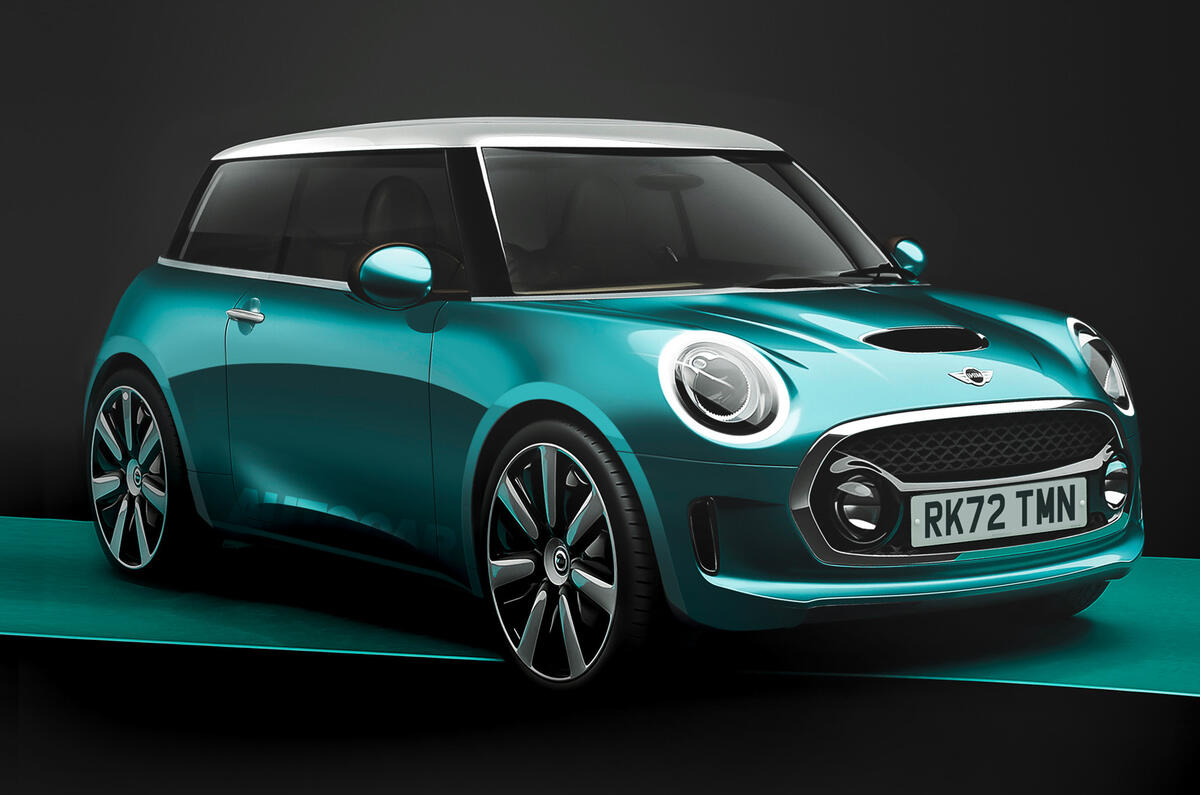
The new Mini hatchback range will be split into two distinct models: a petrol variant built in Oxford and based on a heavily updated version of the existing car’s architecture; and a new electric version that will be slightly shorter and built in China only on a dedicated EV platform as part of a joint venture with Great Wall Motors. Both are due in 2023.
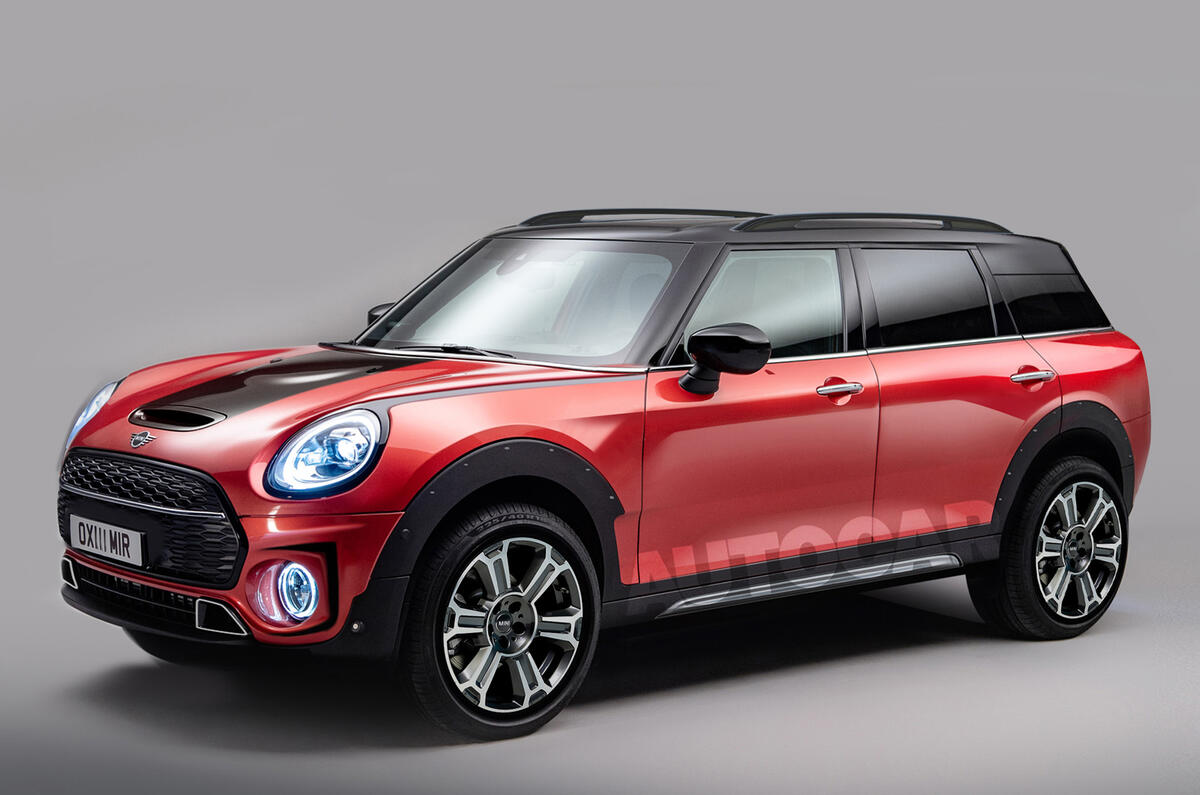
This Chinese joint venture will also spawn a new electric crossover, while the next-generation Countryman will be built in Germany and offered with petrol and electric power.
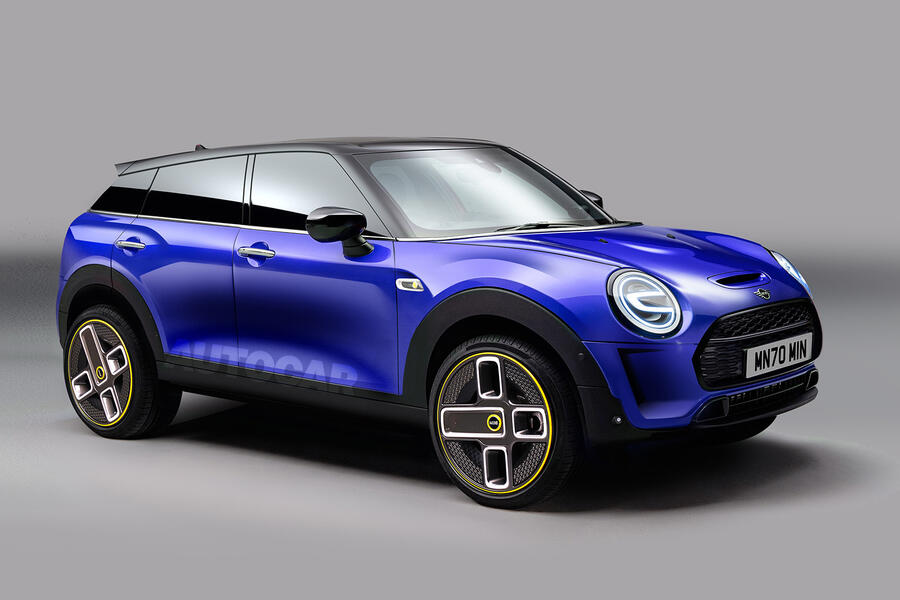
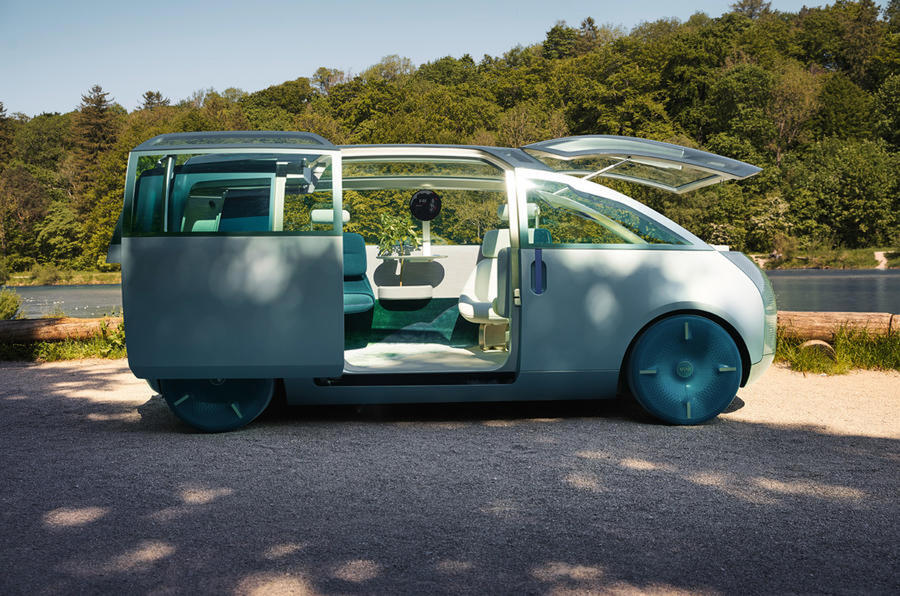
Other Minis understood to be planned but not yet officially confirmed include a small electric MPV dubbed the Traveller. A production version of the Urbanaut concept is also under consideration for later in the decade.
However, it is by no means a given that all of the current Mini models will be replaced. The range has both expanded and shrunk during BMW’s ownership of the brand in response to prevailing market needs, with differing executions and even bodystyles between generations, as with the Mini Clubman.
On the topic of how big the Mini range could grow, Heilmer said: “It’s a topic we [Heilmer and Mini boss Bernd Körber] discuss every two weeks.”
Heilmer added: “We talk of new models, different models, and first ask about whether it’s a brand fit and not just doing the car for the sake of it. Interestingly, we’re not exploding to eight to 10 [models]. It’s always around four or five. It’s always important to question models and ask if they will have a market in the future. We’re in that process now, not for the next four to five years but the years after that.”
As for the styling of the core model, Heilmer indicated it will very much be an evolution of the three-door hatchbacks created under BMW to date, as it’s Mini’s “icon” and “it’s set”. However, other models will get more revolutionary looks.
“Yes, you go even more radical. Just look at the Urbanaut,” said Heilmer when asked how bold other future Minis will be. “The closer you get to the original icon, the less revolutionary you become. The Urbanaut is the furthest away from the original hatch, but we can extend the brand more the further away we go from the original car.”