Currently reading: Electric A4 delayed until 2029 amid VW Group setbacks

New Scalable Systems Platform, due to underpin the new A4 EV, sees further delays

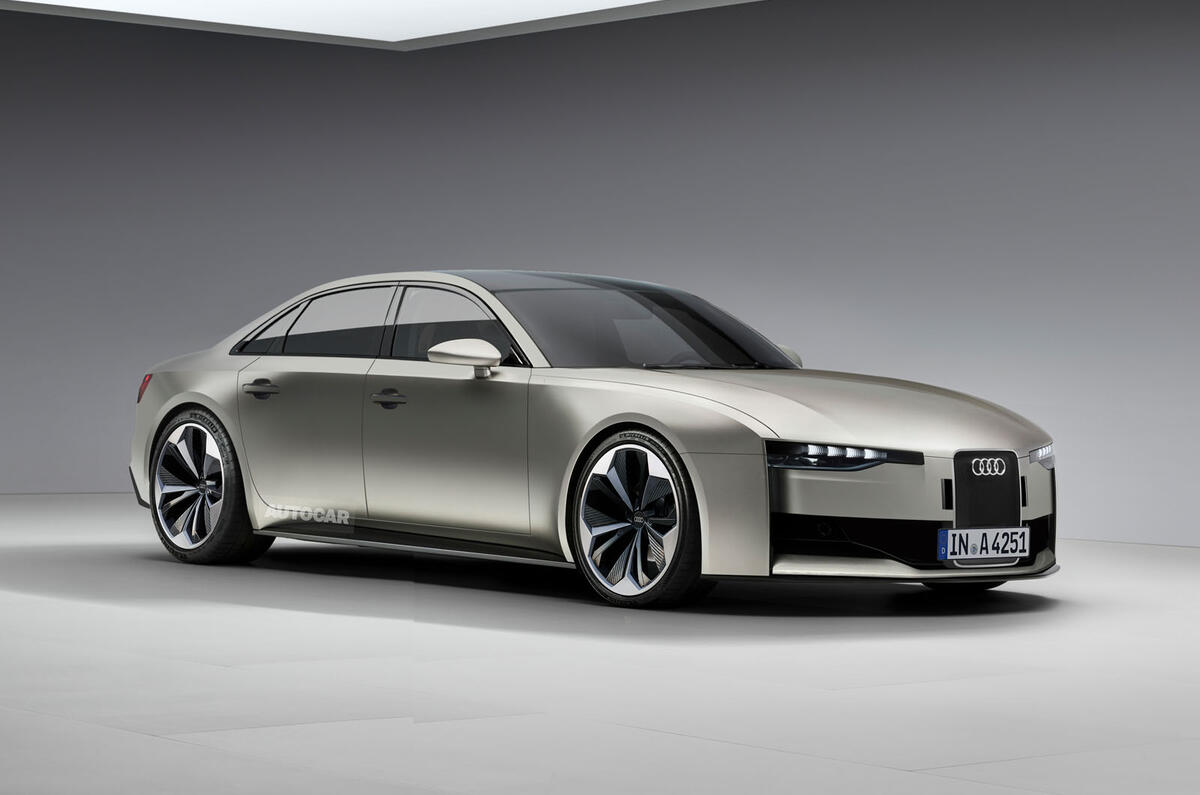
Audi has delayed the introduction of the new electric A4 until 2029 as development of the Volkswagen Group's long-awaited Scalable Systems Platform (SSP) faces further setbacks.

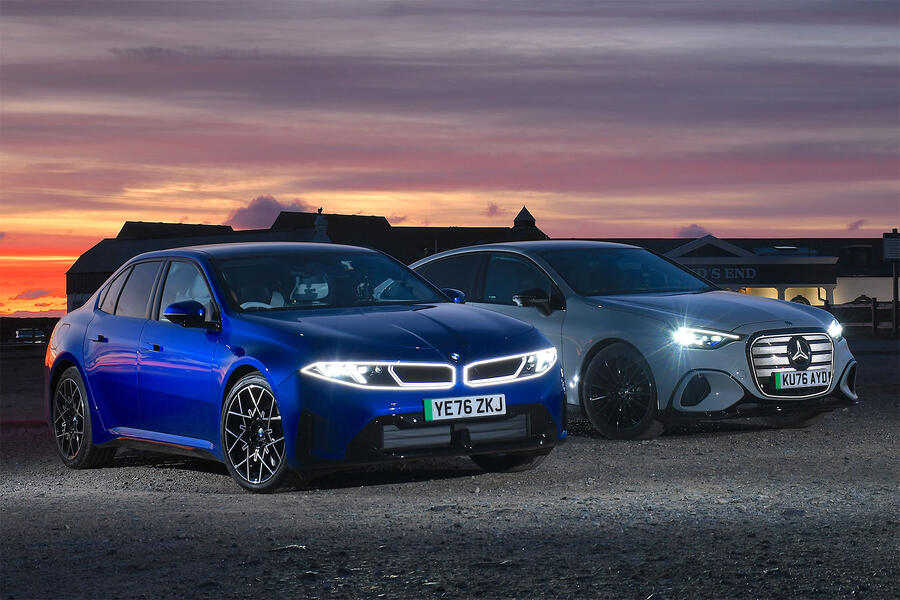
The new electric saloon, conceived as a direct rival to the electric-powered BMW i3,  Mercedes-Benz C-Class and Tesla Model 3, was originally planned to enter production at Audi's Ingolstadt plant in Germany in 2028 as one of the first models based on the SSP architecture.

However, Autocar understands that production of the A4 E-tron is now not planned to begin before 2029. That leaves Audi without a contender in the increasingly competitive mid-sized exec EV class, into which rivals BMW and Mercedes have recently pitched the i3 and C-Class EVs respectively.

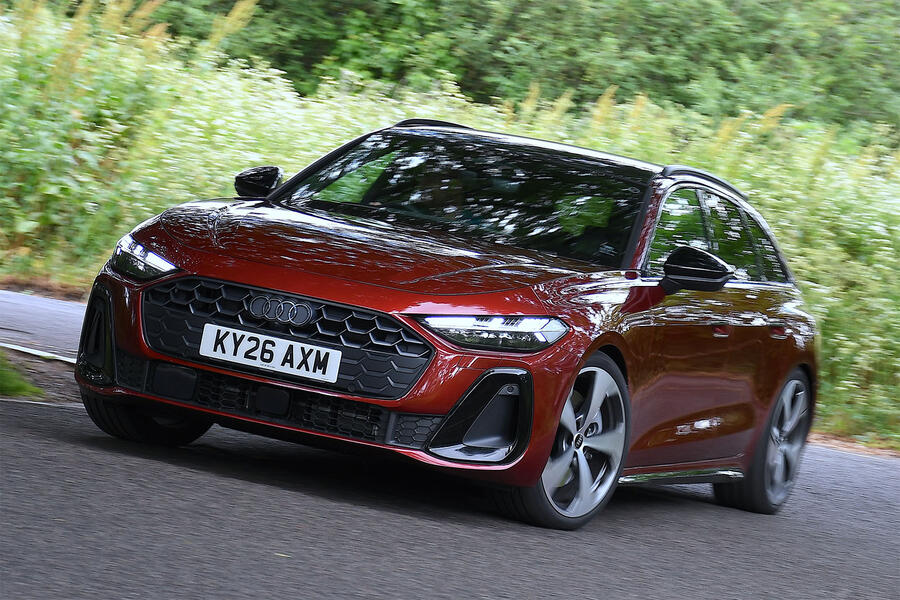
The delay leaves Audi facing a significant gap in its electric model line-up: the ICE A4 – renamed A5 in its latest generation – has traditionally played a key role in the German car maker’s annual sales, and the electric equivalent was expected to be a similarly important contributor.
It also represents another setback for the SSP, following sibling brand Volkswagen’s announcement that development of the electric Mk9 Golf on that platform had been delayed due to cost constraints.

When the 800V SSP was announced in 2021, it was intended eventually to replace not only today’s 400V MEB and 800V PPE platforms for EVs but also the MQB, MLB and MSB architectures used by the group’s sprawling ICE car line-up.

At the time, the group intended to develop a single architecture that could be used across different segments and drivetrain classes, rather than continuing with separate platforms.

Production of SSP models was originally planned to begin in 2026, with the Volkswagen Group projecting that more than 40 million vehicles would eventually be based on it. The new architecture was described as “all-electric, fully digital and highly scalable”, with common hardware, batteries and software providing greater economies of scale across its brands.

Five years later, the introduction of the SSP as the basis for a new generation of VW Group models has slipped by at least three years.

Volkswagen is due to be the first brand to use SSP: it will underpin an electric T-Roc SUV that will spawn a closely related electric Golf in short order. The two models are planned to be produced at Volkswagen's Wolfsburg plant in Germany as part of a wide-ranging restructuring of the firm's European manufacturing operations, with the ICE Golf moving to Puebla in Mexico.

Back to top

VW Group works council chair Daniela Cavallo previously said the two SSP models represented combined annual production volumes of more than 500,000 units.

Skoda also has significant plans for the SSP, with the successor to the Enyaq due to become the Czech brand's first model based on the new platform. The new model is planned to be produced at Skoda's Mladá Boleslav plant in the Czech Republic, where the existing Enyaq is built. Its timing now places it within the same period as the delayed A4 EV, although Skoda has yet to confirm whether the latest changes to the SSP programme will alter its original plans.

Central to the delays to the SSP have been long-running software problems at Cariad, Volkswagen's in-house software operation. It was originally charged with developing a common operating system and electronic architecture for SSP, including over-the-air updates and technology to support highly automated driving.

Under the original timetable, Cariad's unified software platform was due in 2025, a year before SSP production was scheduled to begin.

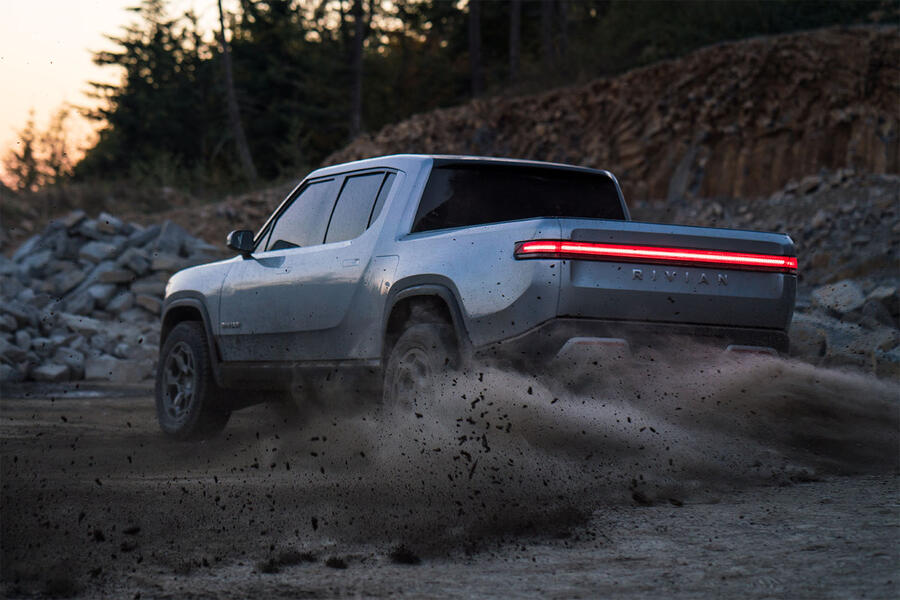
Those plans have since been extensively revised. The Volkswagen Group has turned to US-based electric car maker Rivian for key elements of the electronic architecture and software for future models sold outside China, and it has hinted at the possibility of exporting its CEA architecture – used for Chinese-market cars – to other global markets. 

Back to top

But the latest delay to the A4 is not solely software-related: Audi is understood to have demanded significant changes to the version of SSP planned for its new electric saloon as it seeks to provide the packaging, seating position and interior proportions expected of an A4.

Among them is the adoption of individual footwells for both front- and rear-seat passengers rather than the completely flat floor used by many dedicated EV platforms. Creating the footwells has required engineers to rethink the positioning and packaging of the battery beneath the passenger compartment along with other key high-voltage electrical components.

An Audi insider has told Autocar the changes to the platform structure add to its complexity at a time when the Volkswagen Group is attempting to reduce the number of components shared between its brands.

Audi is also understood to have specified a 48V electrical system for the A4 E-tron in place of the more conventional 12V arrangement initially planned. The higher-voltage system is said to provide greater electrical capacity for more powerful computers and other electronic systems, but it has required further engineering work and changes to elements of the electronic architecture being developed with Rivian.

Join our WhatsApp community and be the first to read about the latest news and reviews wowing the car world. Our community is the best, easiest and most direct place to tap into the minds of Autocar, and if you join you’ll also be treated to unique WhatsApp content. You can leave at any time after joining - check our full privacy policy here.